
The promise of investing is simple and alluring: put your money to work and watch it grow over time. However, behind too many of these too-good-to-be-true offers lies a sophisticated scam waiting to drain your hard-earned savings. As digital platforms become more prevalent, fraudsters have upgraded their tactics, creating flashy websites and fake reviews that can easily deceive even cautious individuals.
As a financial advisor, I cannot stress this enough: the right knowledge is your best defense against the kind of financial mistake you might never recover from. Scammers thrive on speed, urgency, and your trust. By learning to slow down, verify credentials, and recognize the warning signs, you can avoid most traps. Let’s break down the exact steps you can take to verify if a broker or fund is legitimate before you send a single dollar.
The Illusion of Guaranteed Wealth: Returns and Pressure
The first line of defense against investment fraud is managing your expectations and recognizing psychological manipulation. Scammers rely on your emotions to bypass your logical decision-making process.
1. Unrealistic Return Promises
The most obvious and dangerous red flag of a fake investment platform is the promise of unrealistic returns. In the real financial world, risk and reward are inextricably linked. Legitimate investments carry inherent risks, and returns fluctuate with broader market conditions.
If a platform is guaranteeing returns above 10% to 15% annually with “zero risk,” it is almost certainly fraudulent. Be exceptionally wary of platforms promising daily or weekly profits, or guaranteed yields regardless of what the stock market is doing. Remember the golden rule of investing: if an offer seems too good to be true, it is. Higher returns always require taking on higher risks, and any broker promising otherwise is running a scam.
2. Artificial Pressure Tactics and Urgency Scams
Scammers know that if you take the time to research their platform, you will likely discover it is a fraud. To prevent this, they deploy artificial pressure tactics. You might encounter countdown timers, claims of “limited-time offers,” or statements that only a few exclusive spots remain. They might tell you that you need to act immediately to secure special, once-in-a-lifetime rates.
Legitimate, fiduciary investment firms will never pressure you into making an immediate financial decision. They respect your need to conduct thorough research and give you ample time to make informed choices. If a platform uses phrases like “act now,” “limited time only,” or “exclusive opportunity,” consider it an immediate red flag. Real investment opportunities do not disappear overnight.

Scrutinizing the Digital Storefront: Security and Quality
Before you even look at the investment products offered, you must evaluate the platform itself. A legitimate firm invests heavily in its infrastructure, while scammers often cut corners.
3. Poor Website Quality and Unprofessional Communication
While scam operations are becoming more sophisticated, many still operate on poorly constructed websites. Look out for spelling errors, grammatical mistakes, broken links, and the overuse of generic, low-resolution stock photos. Inconsistent branding, outdated copyright dates at the bottom of the page, and contact forms that do not actually submit are massive warning signs.
Furthermore, pay attention to their communication. If their customer service is unresponsive, uses broken English, or provides vague, copy-pasted answers to specific questions about their investment strategies, walk away. Legitimate investment firms maintain high-quality online presences that reflect their credibility, professionalism, and attention to detail.
4. Analyzing Website Security and Legitimacy
You must examine the platform’s technical security features carefully. Legitimate investment platforms use bank-level encryption and robust security protocols to protect your data. Always ensure the URL begins with “HTTPS” and look for security certificates from recognized providers (indicated by a padlock icon in your browser’s address bar).
Beyond the padlock, dig deeper into the website’s domain age and registration information using a free WHOIS lookup tool. Scam sites are often created very recently and registered with privacy protection services designed to hide the owner’s identity. Legitimate investment firms typically have established web presences that have been active for years, along with transparent ownership information. Finally, check for clear contact information, including verifiable physical addresses and direct phone numbers.

Verifying the Gatekeepers: Licenses, Funds, and Support
A professional-looking website means nothing if the people and funds behind it are unregulated. You must independently verify the credentials of the broker and the legitimacy of the funds they are selling.
5. Checking Broker Licenses and Regulations
Before investing a single dollar, verify that your broker is properly licensed and regulated. In the United States, legitimate brokers must be registered with the Securities and Exchange Commission (SEC) and be members of the Financial Industry Regulatory Authority (FINRA). You can easily check this using FINRA’s BrokerCheck tool, which provides detailed information about brokers, their registration status, and any past disciplinary history.
If you are dealing with international brokers, research the regulatory body in their home country. The UK’s Financial Conduct Authority (FCA), Australia’s Securities and Investments Commission (ASIC), and Canada’s Investment Industry Regulatory Organization (IIROC) all maintain public, searchable databases of licensed firms. If the broker is not on these lists, do not give them your money.
6. Researching Investment Fund Legitimacy
When evaluating specific investment funds, start by examining their registration status. In the US, most investment funds must be registered with the SEC and file regular reports. You can search the SEC’s EDGAR database to find these filings, which include detailed, legally binding information about the fund’s strategy, fees, and performance history.
Additionally, investigate the fund manager’s background and track record. Legitimate fund managers have verifiable employment histories, educational backgrounds, and previous performance records that can be found on professional networks like LinkedIn. Be highly suspicious of managers who cannot provide detailed information about their experience, or who refuse to discuss their specific investment methodology.
7. Verifying Customer Support and Communication
Do not just look at the support page; actively test the platform’s customer support before investing. Legitimate platforms provide multiple ways to contact them and respond promptly. Try calling their listed phone numbers, sending emails, and using live chat features.
Pay close attention to the quality and professionalism of their responses. Ask specific, technical questions about their investment processes, security measures, and regulatory compliance. Legitimate platforms will provide detailed, accurate answers about their operations. Scam platforms often give vague responses, get defensive, or attempt to redirect the conversation away from technical details and back to “how much money you want to invest.”

Following the Money: Fees, Withdrawals, and Hidden Traps
The ultimate test of a fake investment platform happens when you try to access your money. Scammers make it incredibly easy to deposit funds, but nearly impossible to withdraw them.
8. Understanding Fee Structures and Transparency
Legitimate investment platforms are completely transparent about their fee structures. They provide clear, easy-to-find explanations of all costs involved, outlining management fees, transaction costs, withdrawal fees, and any other charges.
Be highly suspicious of platforms that are vague about fees or boldly claim to have “zero fees.” While some legitimate platforms have low costs, offering absolutely no fees is often unrealistic for genuine investment services and is a common bait-and-switch tactic. Compare their fee structures with industry standards. Extremely low or hidden fees might indicate that the platform makes its money through fraudulent means, such as stealing your principal.
9. Testing Withdrawal Processes
Before making a large investment, test the platform’s withdrawal process with a very small amount. Deposit the minimum required, wait a few days, and request a withdrawal. Legitimate platforms should process withdrawals promptly and without excessive restrictions.
Be extremely wary of platforms that make it difficult to withdraw funds, impose unreasonable waiting periods, or require you to jump through hoops. Read all terms and conditions related to withdrawals carefully. Scam platforms hide very restrictive withdrawal terms in their fine print, such as unreasonably high minimum withdrawal amounts or complex verification processes designed solely to delay your access to your own money.
10. Hidden Fees and Withdrawal Restrictions
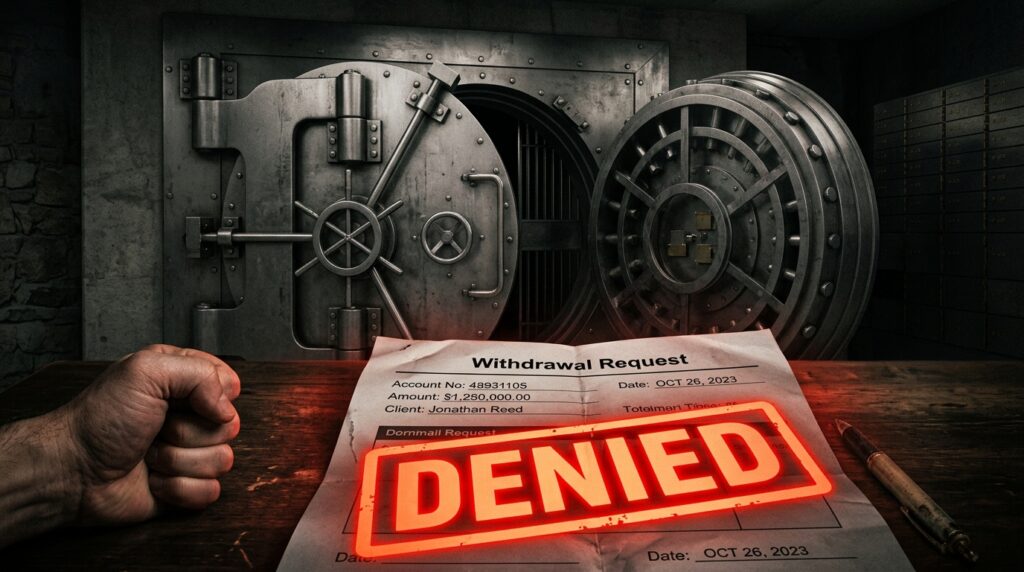
The most devastating phase of an investment scam occurs when you try to cash out and are suddenly hit with hidden fees. Pay close attention to any requests for additional fees to process a withdrawal. While legitimate platforms may charge a standard, reasonable withdrawal fee, scam platforms will demand massive additional payments.
They will claim these extra funds are needed for “tax purposes,” “processing fees,” “insurance,” or “account verification.” They might tell you that you need to pay taxes upfront or demand an insurance fee to release your funds. Legitimate investment platforms never require you to pay money out-of-pocket to access your own funds. Any such request is an immediate, glaring red flag indicating fraudulent activity. If this happens, do not pay the fee; you will never see that money either.
Conclusion
Protecting your wealth in the digital age requires vigilance, skepticism, and a willingness to do your homework. Scammers rely on your hope for financial freedom, using flashy websites, artificial urgency, and the promise of guaranteed wealth to trick you out of your life savings.
By recognizing the ten red flags outlined above—from unrealistic returns and pressure tactics to hidden fees and unlicensed brokers—you can build an impenetrable defense against investment fraud. Always remember to slow down, verify the regulatory status of your broker, test the withdrawal processes, and demand transparency. If an investment opportunity feels rushed or overly secretive, walk away. Stay cautious, stay informed, and let your money grow the right way, with legitimate, regulated professionals.
Frequently Asked Questions (FAQ)
1. What is the biggest red flag of a fake investment platform?
The most glaring red flag is the promise of unrealistic, guaranteed returns with little to no risk. In legitimate investing, higher returns always come with higher risk. If a platform guarantees high daily, weekly, or annual profits regardless of market conditions, it is almost certainly a scam.
2. How can I verify if an online broker is legitimate?
You can verify a broker by checking official regulatory databases. In the US, use FINRA’s BrokerCheck tool and the SEC’s investment adviser public disclosure database. For international brokers, check their local regulatory bodies like the FCA in the UK or ASIC in Australia. If they are not registered, do not use them.
3. Why do scam platforms pressure me to invest immediately?
Scammers use artificial pressure tactics, such as countdown timers or “limited spots,” to trigger a Fear Of Missing Out (FOMO) response. They do this to prevent you from taking the time to research their platform, read reviews, or verify their regulatory credentials. Legitimate firms will always give you time to make an informed decision.
4. What should I do if a platform asks for an extra fee to withdraw my money?
If a platform demands that you pay additional money for “taxes,” “insurance,” or “processing fees” before you can withdraw your own funds, it is a scam. Legitimate brokers deduct standard fees directly from your account balance; they never ask you to send more money to unlock your account. Do not pay the fee and report the platform to financial authorities immediately.
5. Can a legitimate investment platform have a brand-new website?
While a new website isn’t an automatic guarantee of a scam, it is a caution sign. You should use a WHOIS lookup tool to check the domain age. Scam sites are often created just weeks before they launch. Legitimate financial institutions usually have a long-standing digital footprint and transparent ownership registration.