You just landed a promotion. Your side hustle finally took off. A bonus hit your bank account, and for the first time in months, the numbers look genuinely exciting. Then something strange happens. Within a few weeks, that extra income vanishes. A slightly nicer restaurant here, an upgraded phone there, maybe a lease on a car that stretches your budget just a little more than the last one. You earn more, yet your bank balance tells the same old story.
This quiet financial trap has a name: lifestyle inflation. And it is one of the most common reasons people remain stuck in the paycheck-to-paycheck cycle regardless of how much they earn. The good news is that recognizing the pattern is the first step toward breaking it. With a handful of deliberate habits and a shift in mindset, you can redirect every extra dollar toward genuine wealth instead of temporary upgrades.
This guide walks you through eight practical, battle-tested strategies to stop lifestyle creep in its tracks. Whether you are a recent graduate landing your first serious salary or a seasoned professional eyeing another raise, these principles apply universally.
What Exactly Is Lifestyle Inflation?
Lifestyle inflation, sometimes called lifestyle creep, describes the tendency for spending to rise in lockstep with income. It rarely announces itself with a dramatic purchase. Instead, it sneaks in through small, seemingly harmless upgrades. You move from cooking at home four nights a week to dining out three. You swap a reliable sedan for a luxury SUV. Your streaming subscriptions double. Your wardrobe shifts from practical to premium.
Individually, none of these choices feels reckless. Collectively, they consume every additional dollar you earn and often more. The result is a financial treadmill where you run faster but never actually move forward.
The antidote begins with awareness. Make it a habit to review your monthly expenses and ask a simple question before every purchase: Is this a genuine need, or is it a want dressed up as a necessity? That single filter catches lifestyle creep before it becomes entrenched. Understanding this dynamic also prepares you mentally for income jumps such as promotions, annual bonuses, or new revenue streams. Instead of letting spending shadow your paycheck, you consciously redirect growth toward savings and investments.
Defining what “enough” looks like for your life is perhaps the most powerful defense against endless upgrades that deliver diminishing returns on happiness.
Define Financial Goals That Outshine the Urge to Spend
Without a compelling reason to save, extra income feels like permission to splurge. Clear, written financial goals change that equation entirely. They transform abstract discipline into concrete motivation.
Start by identifying both short-term and long-term objectives. Short-term goals might include paying off a credit card balance, building a three-to-six-month emergency fund, or saving for a meaningful vacation. Long-term goals often involve purchasing a home, funding a child’s education, or reaching financial independence early enough to make work optional.
Write these goals down. Attach specific dollar amounts and target dates. Break them into quarterly milestones so progress feels tangible. When you can see yourself moving closer to a defined finish line, the pull of an impulsive upgrade weakens considerably.
A particularly effective tactic is committing a fixed percentage of every raise or bonus to savings or investments before making any lifestyle changes. This “pay yourself first” approach ensures your money works toward something meaningful rather than dissolving into forgettable purchases. Your goals become your financial immune system, protecting you from unconscious spending habits that erode wealth over time.
Maintain Your Current Lifestyle Longer Than You Think You Should
One of the simplest yet most powerful strategies is deceptively straightforward: keep living the way you already do, even after your income increases.
If your apartment felt comfortable before the raise, stay in it. If your car runs reliably, resist the urge to trade it in. If your entertainment budget covered the hobbies you genuinely enjoy, leave it alone. Channel the new income into savings, investments, or accelerated debt repayment instead.
Many self-made millionaires and financially independent individuals intentionally delay lifestyle upgrades until they have built a substantial asset base. This is not deprivation. It is strategic patience. The longer you resist inflation, the more powerful compound growth becomes on the money you invest.
This strategy requires discipline, especially when colleagues and friends visibly upgrade their lives. Remind yourself that true financial freedom means having options, not accumulating possessions. Set a lifestyle baseline, and only approve upgrades that are genuinely necessary or deliver lasting value. Every month you delay inflation is a month your wealth compounds uninterrupted.
Automate Your Savings and Investments
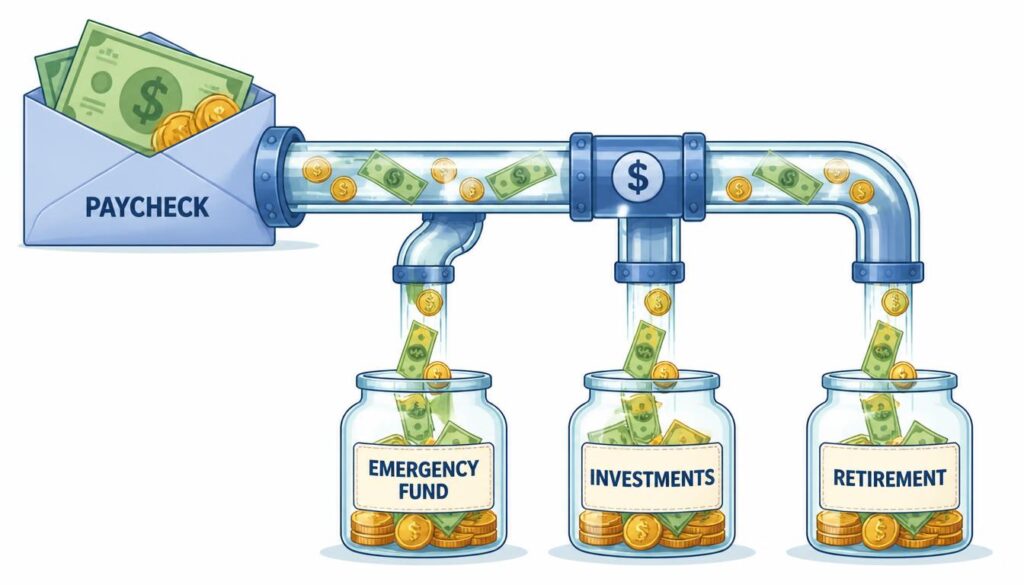
Willpower is finite. Automation is not. Setting up automatic transfers to savings accounts, retirement funds, or investment portfolios immediately after each payday removes the temptation before it ever has a chance to form.
The principle is simple: out of sight, out of mind. If the money never appears in your checking account as “available,” you never mentally allocate it toward spending. Aim to automate twenty to thirty percent of your income if your budget allows. As your income grows, increase the automation percentage to capture the raise before your lifestyle can absorb it.
Most banks, credit unions, and investment platforms support scheduled transfers, making this a true set-and-forget system. The secondary benefit is reduced decision fatigue. You stop negotiating with yourself every month about whether to save or spend. The decision was already made. Over time, this creates a consistent upward wealth trajectory while your day-to-day lifestyle remains comfortably anchored to your previous spending level.
Automation turns good intentions into guaranteed action, and that distinction is everything.
Track Your Expenses Regularly
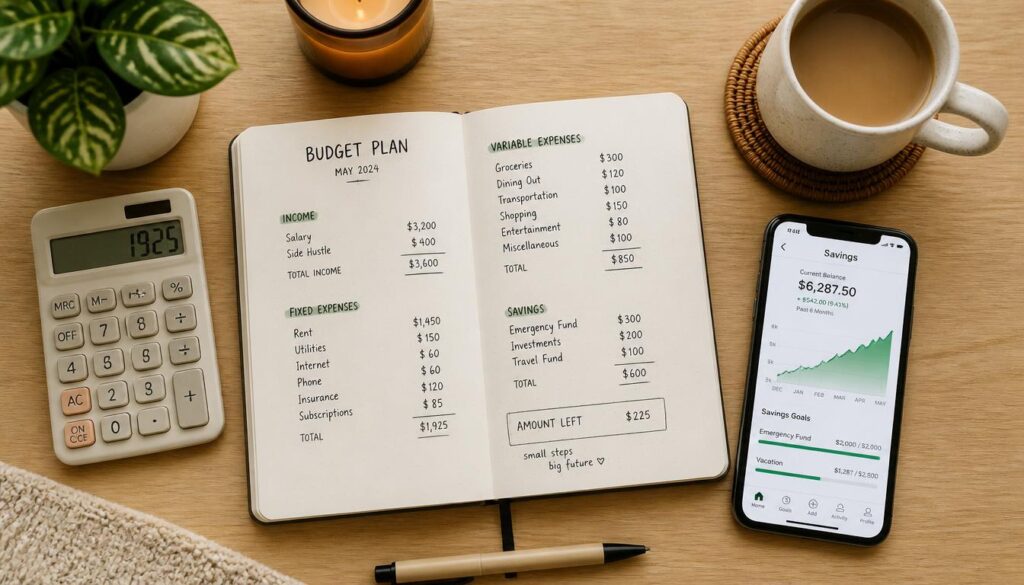
You cannot fix what you cannot see. Regular expense tracking shines a light on the categories where lifestyle creep hides: dining out, subscription services, entertainment, online shopping, and convenience purchases.
Choose a method that fits your personality. Budgeting apps offer real-time categorization and visual dashboards. Spreadsheets give you full custom control. Even a simple pen-and-paper log works if you maintain consistency. The tool matters less than the habit.
Review your data monthly. Look for patterns. Did your takeout spending double since your last raise? Did you add three streaming services you barely watch? Are impulse online purchases creeping into your weekly routine? Identifying these shifts early lets you course-correct before they solidify into expensive habits.
Pair tracking with category limits. Set a cap on discretionary spending and treat it as a firm boundary. Small leaks sink large ships, and consistent tracking is the patch that keeps your financial hull sealed.
Resist the Pull of Peer Pressure Spending
Social comparison is perhaps the single greatest accelerant of lifestyle inflation. When friends upgrade their cars, renovate their kitchens, or post photos from luxury vacations, a quiet pressure builds to match them. This phenomenon, often called keeping up with the Joneses, can silently dismantle years of careful budgeting.
The antidote is perspective. You never see the full financial picture behind someone else’s lifestyle. The new car might be financed at a punishing interest rate. The vacation might be charged to a credit card that will take a year to pay down. Appearances are not balance sheets.
Separate your identity from your possessions. Seek social circles that value experiences, personal growth, and financial mindfulness over material one-upmanship. When expensive group activities arise, suggest affordable alternatives without apology. Learning to say no comfortably is a skill that compounds over decades.
If you find certain environments consistently trigger spending pressure, it is okay to set boundaries. Protecting your budget is not antisocial. It is self-respect.

Reward Yourself Strategically, Not Impulsively
Avoiding lifestyle inflation does not mean adopting a joyless existence. It means being intentional about how and when you treat yourself.
Build rewards into your financial plan in advance. If you receive a five-thousand-dollar raise, allocate ten to fifteen percent toward something you genuinely enjoy. Direct the remaining eighty-five to ninety percent into savings, investments, or debt reduction. This balance lets you celebrate progress without sabotaging it.
Tie rewards to milestones rather than moments. Finished paying off a student loan? Treat yourself to a modest weekend trip. Hit your emergency fund target? Buy the book or gadget you have been eyeing. When rewards are earned and planned, they feel richer and more satisfying than spontaneous splurges that barely register in memory.
Setting these rules ahead of time prevents the slippery slope where every new dollar becomes an excuse for another upgrade.
Focus on Long-Term Freedom, Not Short-Term Status
The ultimate defense against lifestyle inflation is a vivid, emotionally compelling vision of financial freedom. When you frame every spending decision through the lens of independence, short-term temptations lose their grip.
Picture what freedom actually looks like for you. Maybe it is retiring a decade early. Maybe it is traveling without checking your bank account first. Maybe it is the ability to leave a job you dislike because your investments cover your living expenses. Whatever the image, revisit it often.
Lifestyle upgrades deliver a brief spike of satisfaction that fades within weeks. Investments in your future deliver compounding security that grows stronger every single year. Surround yourself with content and communities that reinforce this mindset: personal finance books, podcasts, online forums dedicated to financial independence. The more you immerse yourself in long-term thinking, the less appealing short-term status symbols become.

Conclusion
Lifestyle inflation is not a character flaw. It is a deeply ingrained psychological pattern reinforced by advertising, social media, and cultural expectations. The fact that it operates quietly makes it dangerous, but the fact that it operates predictably makes it beatable.
The strategies outlined here form a cohesive system. Awareness lets you spot the creep. Goals give you a reason to resist. Maintaining your current lifestyle buys time for compounding. Automation removes the need for constant willpower. Tracking keeps you honest. Resisting peer pressure protects your boundaries. Strategic rewards keep the journey enjoyable. And a long-term vision anchors every decision in purpose.
You do not need to implement all eight strategies overnight. Pick two or three that resonate most with your current situation, build them into habits, and layer in the rest over time. The compounding effect of disciplined financial choices is extraordinary, but only if you give it time and consistency.
Your next raise, bonus, or side-hustle income is an opportunity. It can fund another round of upgrades that feel exciting for a month and forgotten by the next. Or it can become the foundation of a portfolio, a debt-free life, and genuine freedom. The choice, and the system to support it, is entirely yours.
Start today. Review your expenses. Write down one financial goal. Set up one automatic transfer. Small steps, taken consistently, outperform grand gestures abandoned after a week. Your future self will thank you for the restraint you practice right now.
Frequently Asked Questions
1. What is the difference between lifestyle inflation and simply enjoying a higher income?
Enjoying a higher income means making intentional, planned upgrades that fit within a budget while still prioritizing savings and investments. Lifestyle inflation, by contrast, is the unconscious, proportional increase in spending that absorbs every additional dollar without a plan. The key distinction is intentionality. If you decide in advance to allocate ten percent of a raise toward a nicer apartment and direct the rest toward investments, that is enjoyment. If you gradually spend more across a dozen categories without noticing, that is inflation.
2. How much of a raise should I save versus spend?
A widely recommended guideline is to direct at least fifty to seventy-five percent of any income increase toward savings, investments, or debt repayment, and allocate the remaining portion toward lifestyle upgrades or personal enjoyment. If you are behind on emergency savings or carry high-interest debt, lean even more heavily toward the financial side. The exact split depends on your goals, but the critical rule is to decide the allocation before the money hits your account, not after.
3. Can automation really prevent lifestyle creep if I still see the money briefly?
Yes, and the mechanism is psychological as much as practical. When a transfer executes within hours of a deposit, the funds never settle into your mental “spending pool.” You adapt to a slightly lower checking balance quickly, and the automated portion becomes invisible. Over a few pay cycles, you stop thinking of that money as available. Pairing automation with separate account names like “Freedom Fund” or “Future Home” reinforces the mental separation and makes it harder to raid those savings impulsively.
4. How do I handle social pressure when friends and family expect me to spend more?
Boundaries are essential, and they do not require confrontation. You can decline expensive outings by suggesting alternatives: a potluck dinner instead of a high-end restaurant, a hike instead of a resort weekend, a game night instead of a concert. True friends respect your choices. If certain relationships consistently pressure you to overspend, it is reasonable to limit exposure. You can also simply say, “I’m focused on a financial goal right now,” without elaborating. Most people respect that answer, and those who do not were never aligned with your priorities.
5. Is it ever too late to reverse lifestyle inflation if I have been doing it for years?
It is never too late. The first step is a thorough expense audit to identify where your spending has drifted beyond your values. From there, you can systematically reduce or eliminate categories that no longer serve you, renegotiate fixed costs like subscriptions or insurance, and redirect the freed-up cash toward savings and debt reduction. The adjustment period may feel uncomfortable for a few weeks, but most people report that the stress of overspending far outweighs the mild inconvenience of scaling back. Every month you reclaim is a month of compounding you get to restart.