In an economic landscape where the cost of living continually rises and every dollar seems to slip through our fingers, finding legitimate ways to stretch your paycheck is more critical than ever. Groceries, gas, clothing, and everyday household purchases pile up rapidly, often leaving you wondering where your hard-earned money went at the end of the month. Traditional saving methods often require drastic lifestyle changes, clipping endless paper coupons, or giving up the things you enjoy. But what if there was a way to recapture a portion of your spending without altering your daily routine?
This is precisely where cashback applications enter the financial ecosystem. Cashback apps are digital platforms that reward you for spending money you were already planning to spend. Instead of paying full retail price at the grocery store, on major e-commerce websites, or at your favorite local coffee shop, these applications return a percentage of your purchase to you. This rebate can be issued as direct cash deposits, gift cards, or account credits. While a two percent or five percent return on a single transaction might seem insignificant in the moment, the mathematical reality is that these micro-savings compound rapidly. Over the course of a year, consistent use of these platforms can yield hundreds of dollars in recovered funds.
As a financial advisor, I often tell my clients that personal finance is not just about what you make; it is about what you keep. Cashback apps represent a frictionless way to increase your effective income. However, simply downloading an app is not a comprehensive financial strategy. To truly transform these digital tools into a wealth-building asset, you must understand the underlying mechanics, avoid common psychological traps, and integrate them into a broader financial plan. This comprehensive guide will walk you through the exact strategies required to maximize your cashback savings, avoid the pitfalls of consumerism, and strategically reinvest your earnings for long-term wealth generation.
The Mechanics of Cashback: Understanding How Free Money Actually Works
Before you can effectively leverage cashback applications, you must understand the fundamental business model that makes them possible. Many consumers are inherently skeptical of “free money,” assuming there is a hidden catch. In reality, the mechanics are rooted in standard digital marketing and affiliate economics.
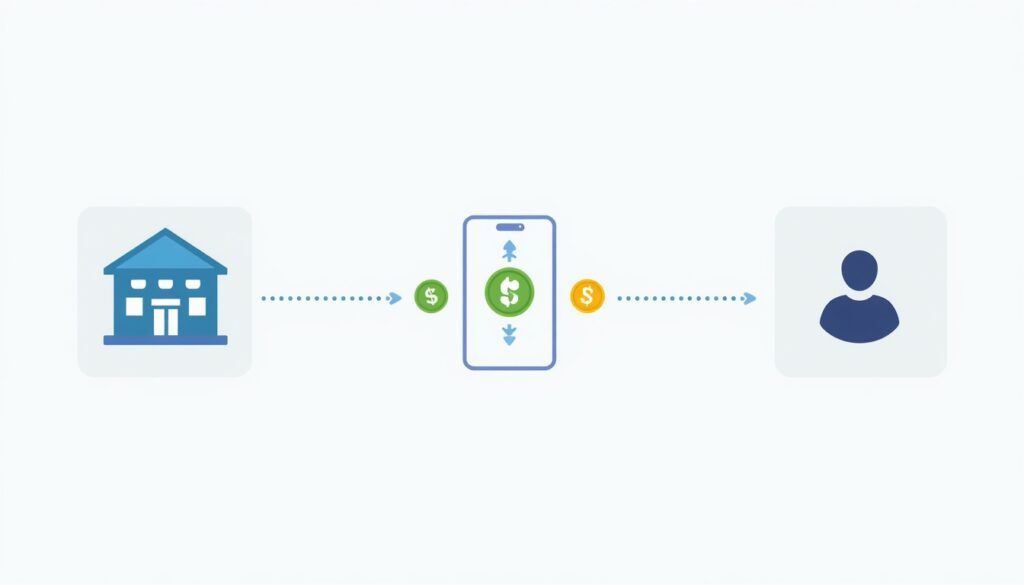
Large retailers and e-commerce brands operate with specific Customer Acquisition Costs (CAC). They are willing to pay a premium to drive targeted traffic to their websites or physical stores because the lifetime value of a customer far outweighs the initial cost of acquiring them. Cashback apps function as massive affiliate marketing networks. They partner with thousands of retailers to direct consumers to their platforms. When you click through a cashback portal to make a purchase, or when you scan a receipt that proves you bought a promoted item, the app tracks that conversion.
In exchange for sending a paying customer, the retailer pays the cashback app a commission. Instead of keeping 100 percent of this commission as profit, the app shares a significant portion of it with you, the consumer. This creates a win-win-win scenario: the retailer gets a verified sale, the app earns a marketing fee, and you receive a rebate on your purchase.
Understanding this system shifts your perspective. You are not doing extra work for pennies; you are simply intercepting marketing dollars that the corporation had already budgeted to spend. By approaching your everyday shopping with this “cashback mindset,” you transition from a passive consumer to an active financial participant. You realize that failing to use these tools is literally leaving money on the table. Once you grasp that this is a legitimate redistribution of corporate marketing budgets, you can begin to strategically navigate the ecosystem to your advantage.
Selecting the Right Tools for Your Unique Lifestyle
Not all cashback applications are created equal, and using the wrong ones for your specific habits will only lead to frustration and app fatigue. The market is saturated with options, each specializing in different types of transactions. The secret to success is not downloading every available app, but rather selecting three or four that perfectly align with your existing spending patterns and mastering them.
If your budget is heavily dominated by grocery and household supply expenses, you need applications that specialize in receipt scanning and grocery offers. Platforms like Ibotta or Fetch Rewards are ideal here. They require you to select specific offers before you shop, purchase the items, and then scan your physical or digital receipt. The interface is designed specifically for the supermarket experience.
Conversely, if you are a frequent online shopper, browser extensions and cashback portals are your best friends. Services like Rakuten or Honey integrate directly into your web browser. When you visit a supported online retailer, a pop-up notifies you of the available cashback percentage or automatically applies the best coupon codes. This requires almost zero behavioral change; you simply shop as you normally would through the portal.
For those who prefer a completely hands-off approach, there are applications that link directly to your credit or debit cards. Apps like Dosh or Drop monitor your linked cards for transactions at participating local merchants, restaurants, or online stores, and automatically deposit cashback into your account without requiring you to scan receipts or click through portals.
The golden rule of app selection is curation. Downloading ten different apps will overwhelm you, and you will eventually abandon them all. Analyze your past three months of bank statements. Identify your top three spending categories. Choose one app that excels in each of those categories. By narrowing your focus, you ensure that the apps you use actually generate meaningful returns without becoming a chore.

The Art of Stacking Rewards for Maximum Value
The true power of cashback applications is unlocked when you learn the advanced strategy of “stacking.” Stacking is the practice of combining multiple discount and reward mechanisms on a single purchase to exponentially increase your savings. This is where casual users separate themselves from seasoned financial optimizers.
Imagine you need to purchase a new pair of running shoes online that costs $100. A novice shopper might just buy them directly. An intermediate shopper might use a cashback portal to get five percent back, saving $5. But an expert stacker will multiply their returns through a specific sequence of actions.
First, they will ensure they are logged into their cashback portal and click through to the retailer’s website, securing the five percent cashback. Second, they will use a browser extension to find and apply a promotional code for an additional twenty percent off the purchase price, bringing the out-of-pocket cost down to $80. Third, they will pay for the shoes using a dedicated rewards credit card that offers two percent cashback on all online purchases. Finally, if the credit card offers extended warranty protection or purchase protection, they activate that as well.
Let us look at the math. The original $100 item was purchased for $80 after the promo code. The cashback portal returns five percent of the $80 purchase price ($4). The credit card returns two percent of the $80 purchase price ($1.60). Your total out-of-pocket cost is now $74.40, and you have saved $25.60, which is a massive 25.6 percent total discount.
Stacking requires a bit of foresight and planning, but the financial impact is profound. When you apply this methodology to large purchases like electronics, furniture, or annual software subscriptions, the dollar amounts saved become substantial. Over the course of a year, stacking rewards on both everyday items and large ticket purchases can easily add hundreds of dollars back into your bank account.

Focusing on Essentials and Avoiding the Psychological Spending Trap
While cashback apps are powerful tools for saving, they come with a significant psychological risk that can completely derail your financial progress if you are not careful. The most common trap consumers fall into is allowing the promise of cashback to justify unnecessary spending.
Human psychology is highly susceptible to the “mental accounting” fallacy. When we see an offer for “ten percent cash back” on a luxury jacket we do not need, our brains incorrectly frame the cashback as a discount. We think, “I am saving twenty dollars by buying this two-hundred-dollar jacket.” In reality, you are not saving twenty dollars; you are spending an extra two hundred dollars to get twenty dollars back. You are still out one hundred and eighty dollars that you did not need to spend. The golden rule of cashback is absolute: never let the rebate drive your purchasing decisions. Your budget and your actual needs must always dictate your spending.
To avoid this trap, you must ruthlessly focus your cashback efforts on your non-negotiable essentials. These are the purchases you would make regardless of whether a reward existed. Groceries, gasoline, household cleaning supplies, toiletries, and even utility bills are the foundation of a successful cashback strategy.
Consider the mathematics of essentials. If your family spends five hundred dollars a month on groceries, and you utilize a receipt-scanning app that yields a conservative three percent return across your basket, you are earning fifteen dollars a month. That is one hundred and eighty dollars a year, completely tax-free, just for buying the food your family already needs to eat. Multiply that by your gas budget, your utility bills, and your essential online purchases like toothpaste or paper towels.
Essentials are where cashback applications shine the brightest because the risk of overspending is zero. By restricting your primary focus to these mandatory expenses, you guarantee that your cashback earnings are pure, unadulterated savings rather than subsidized consumerism.

Strategic Payouts: Reinvesting Your Cashback Earnings
Earning cashback is only half of the equation; what you do with those earnings determines whether you are merely saving pennies or actually building wealth. Many people treat their cashback payouts as “fun money.” They reach the minimum payout threshold and immediately transfer the funds to their checking account, only to spend it on a nice dinner, a coffee shop treat, or a minor impulse buy. While there is nothing wrong with occasionally rewarding yourself, a more strategic approach can dramatically accelerate your financial goals.
As a financial advisor, I recommend treating your cashback earnings as “found money” or bonus income. Because you have already accounted for your regular income in your monthly budget, this cashback should be entirely redirected toward your long-term financial objectives.
The first and most accessible strategy is to route your cashback payouts directly into a High-Yield Savings Account (HYSA). If you earn fifty dollars a month in cashback and deposit it into an HYSA offering a competitive annual percentage yield, that money is working for you, building your emergency fund, or saving up for a large future purchase like a vacation or a down payment, all while earning interest.
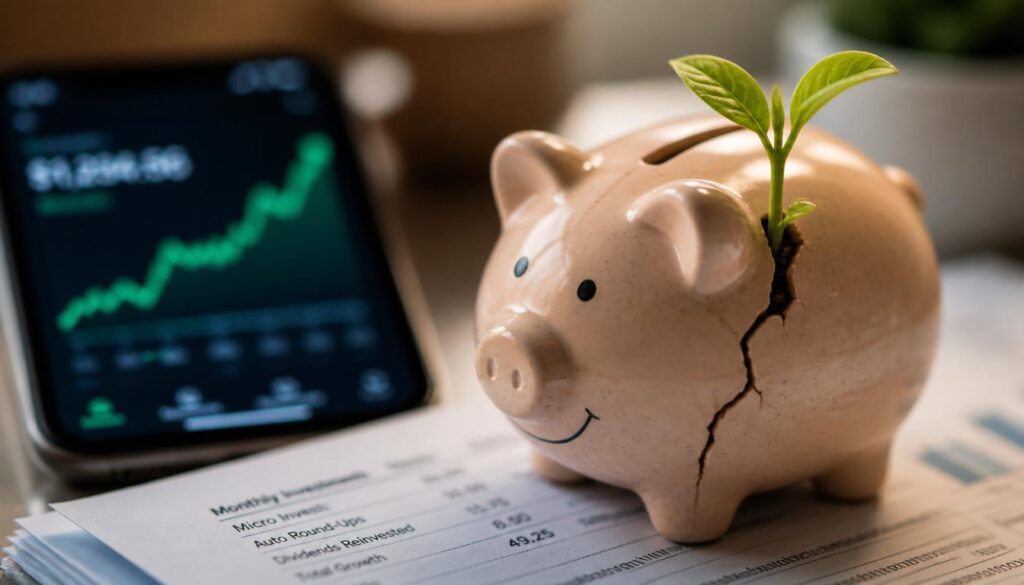
For those looking to build long-term wealth, the ultimate strategy is to reinvest your cashback into the financial markets. You can set up your cashback apps to deposit directly into micro-investing platforms or brokerage accounts. Imagine investing just forty dollars a month from your cashback earnings into a broad-market, low-cost index fund. Assuming a historical average annual return of seven percent, that small, effortless contribution will grow to over six thousand dollars in ten years, and nearly nineteen thousand dollars in twenty years.
By automating the transfer of your cashback into investment accounts, you are harnessing the power of compound interest. You are taking the money you saved from your mandatory daily spending and putting it to work in the global economy. This transforms a simple savings tool into a passive wealth-building engine.
Integrating Cashback into a Holistic Budget and Long-Term Lifestyle
Cashback applications are incredibly powerful, but they are not a substitute for a disciplined financial plan. They work best when they are integrated into a solid, comprehensive budget. If you do not know where your money is going, cashback will not save you from financial distress.
To maximize the synergy between your budget and your cashback apps, you should practice intentional category planning. If your monthly budget allocates four hundred dollars for groceries, one hundred dollars for fuel, and two hundred dollars for clothing, you can proactively plan to run all of those specific transactions through your chosen cashback ecosystems. You check your grocery app for weekly offers before you make your shopping list. You ensure your gas purchases are routed through a linked card that offers fuel rewards. You wait to buy that new clothing item until you can click through a portal offering an eight percent return.
When you align your cashback strategy with your budget categories, you squeeze every possible ounce of value from your allocated spending. You stay strictly within your financial boundaries, but you simultaneously lower your effective cost of living. Think of cashback apps as a financial sidekick; they do not replace the hero (your budget), but they make the hero significantly more effective.
Ultimately, the most critical rule for saving money with cashback apps is to treat them as a long-term lifestyle rather than a quick trick. You will not become a millionaire overnight by scanning receipts. If you expect to see hundreds of dollars in your account during your first week, you will be disappointed and likely quit. However, if you treat cashback as a permanent, natural habit—just like locking your front door or paying your utility bills—the results become astonishing over time.
Patience and consistency are your greatest assets. Over a single year, you will be pleasantly surprised by the lump sum you have recovered. Over five or ten years, those consistent, small rebates can amount to thousands of dollars. That is money that can be redirected toward aggressive debt repayment, fully funding your retirement accounts, or establishing a robust financial safety net. The secret is not just downloading the software; it is seamlessly integrating it into the rhythm of your daily life until it becomes second nature.

Conclusion
Cashback applications are far from a modern gimmick; they are a highly effective, legitimate method for making your money stretch further in an increasingly expensive world. By understanding the affiliate mechanics that power these platforms, you can confidently navigate the ecosystem without falling for hidden traps. Selecting the right apps for your specific lifestyle ensures that you are not overwhelmed by technology, but rather empowered by it.
The true magic happens when you move beyond basic usage and begin stacking rewards, focusing relentlessly on your essential purchases, and avoiding the psychological trap of overspending. Most importantly, by treating your cashback earnings as bonus capital and strategically reinvesting it into high-yield savings or the stock market, you transition from simply saving pennies to actively building long-term wealth.
When paired with a disciplined budget and a patient, long-term mindset, cashback apps become a seamless part of your financial routine. They allow you to recapture your hard-earned money without sacrificing the things you enjoy. Start today, choose your tools wisely, stay consistent, and watch as those tiny percentages compound into significant financial freedom.

Frequently Asked Questions (FAQ)
1. Are cashback apps actually safe and legitimate to use?
Yes, the vast majority of mainstream cashback apps are entirely safe and legitimate. They operate on standard affiliate marketing models, earning commissions from retailers and sharing a portion with you. Reputable apps use bank-level encryption to protect your data. However, it is crucial to only download well-established applications with high ratings and read their privacy policies. Never use an app that asks for your social security number or charges an upfront fee to join.
2. How much money can I realistically expect to make with cashback apps per year?
The amount varies wildly based on your spending habits, household size, and how diligently you stack rewards. A casual user who only scans a few grocery receipts a month might earn fifty to one hundred dollars annually. A highly optimized user who stacks portal cashback, credit card rewards, and receipt offers on all their essential spending and large purchases can realistically earn between three hundred and eight hundred dollars per year. It is not a get-rich-quick scheme, but it is highly effective passive income.
3. Do cashback apps affect my credit score?
Using standard cashback apps that require receipt scanning or browser portal clicks has absolutely zero impact on your credit score, as they do not perform credit inquiries. However, if you use a cashback app that is tied to a specific credit card, or if you apply for a new co-branded credit card to maximize your rewards, the hard inquiry from the credit card issuer will temporarily affect your score. The apps themselves do not report to credit bureaus.
4. What is the best way to receive my cashback payouts?
The “best” method depends on your financial goals, but from a wealth-building perspective, direct deposit to a bank account or a direct transfer to an investment platform is superior. This allows you to immediately route the funds into a High-Yield Savings Account or a brokerage account to earn compound interest. If you lack discipline and tend to spend direct deposits, opting for gift cards to stores you already frequent (like grocery stores or gas stations) can be a smart way to offset your mandatory living expenses without increasing your liquid cash.
5. Can I use multiple cashback apps for the exact same purchase?
Yes, and this is the core of the “stacking” strategy mentioned in the guide. You can absolutely combine different types of apps. For example, you can use a browser extension portal to get cashback from the retailer, use a manufacturer coupon app to lower the price at checkout, and then use a linked credit card that earns its own separate cashback percentage. However, you generally cannot use two competing receipt-scanning apps for the exact same item on the same receipt, as their terms of service strictly prohibit double-dipping on the same specific rebate offer.