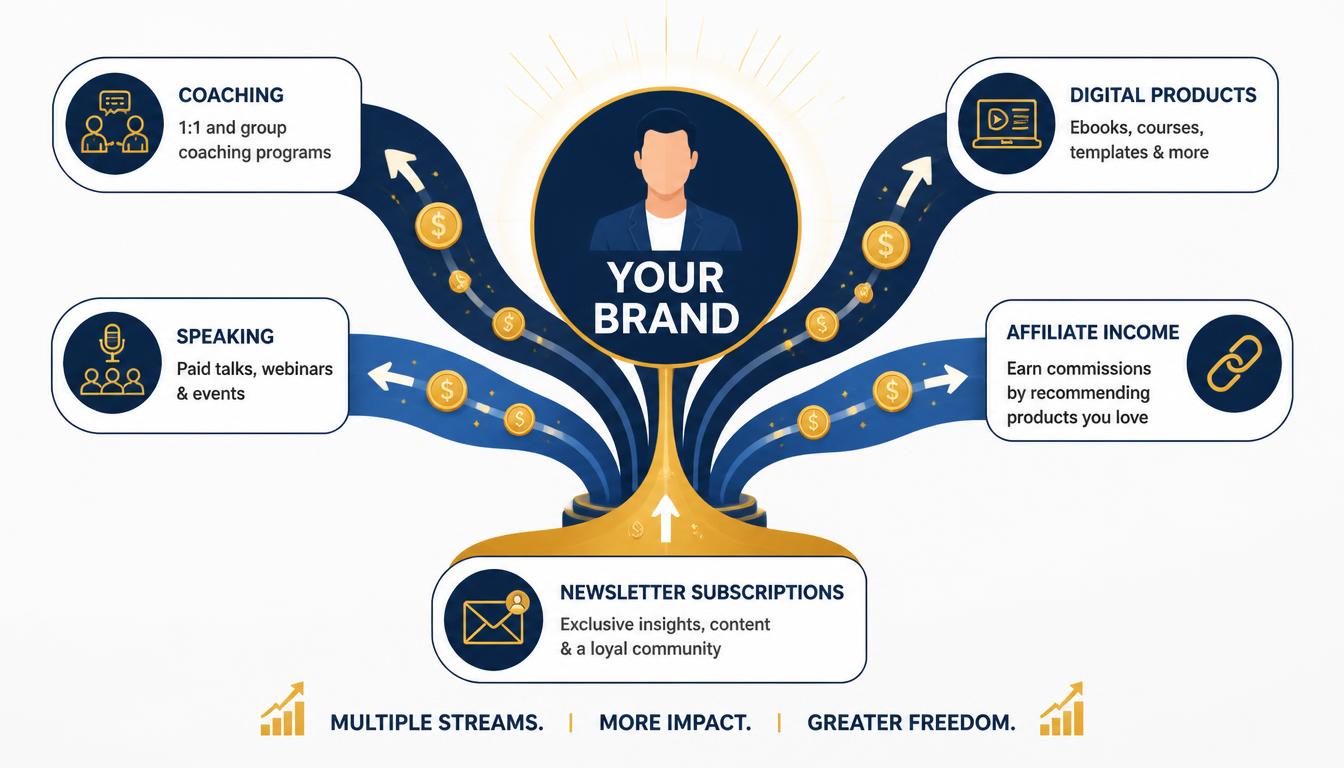
Trading hours for dollars is the foundational model of the traditional workforce, but it inherently caps your earning potential. As a financial advisor, I consistently see clients who are financially stable yet feel trapped by the limitations of a standard salary. The breakthrough moment in personal finance occurs when you shift your mindset from active labor to asset creation. Turning your nine-to-five job into a passive income stream is not only possible; it is a highly strategic pathway to financial independence.
You already possess valuable skills, industry knowledge, and professional experiences that others are willing to pay for. The key lies in packaging, leveraging, and automating these assets so they generate revenue while you sleep, work your primary job, or spend time with your family. This comprehensive guide outlines ten actionable, step-by-step strategies to help you build extra income streams outside of your standard work hours, transforming your expertise into a sustainable engine for wealth creation.
1. Identify and Audit Your Core Expertise
The foundation of any successful passive income venture is a clear understanding of your unique value proposition. Start by conducting a thorough skills audit. What specific knowledge do you possess that others find difficult to acquire? Research current market demands to find the intersection between your professional strengths and what consumers or businesses are actively seeking.
Consider how your daily professional experience can be repackaged. If you are an accountant, your expertise in tax optimization is highly valuable. If you work in HR, your knowledge of resume building or interview preparation is a marketable commodity. Analyze your competitors to understand how they monetize similar skills, identify gaps in their offerings, and position yourself to fill those voids. Brainstorm multiple formats for delivering your expertise, such as comprehensive guides, eBooks, or video tutorials. Crucially, plan how much time you can realistically dedicate to this project outside your nine-to-five hours without experiencing burnout. Set measurable, time-bound goals to track your progress and evaluate the effectiveness of your chosen strategy.
2. Build a Commanding Online Presence
In the digital economy, your online presence is your storefront. Creating a professional, user-friendly website is the first critical step. This site should clearly showcase your services, provide seamless contact methods, and act as the central hub for your brand. Search engine optimization (SEO) is non-negotiable; optimize your website’s content, meta descriptions, and structure to attract consistent, organic traffic over time.
Beyond your website, leverage social media platforms strategically. Share actionable tips, industry insights, and valuable content that establishes you as a trusted authority in your niche. Starting a blog or a vlog that addresses common problems positions you as a helpful resource rather than just a salesperson. Develop a robust portfolio featuring real-world examples of your work or tangible results you have achieved for others. Actively engage in online communities, forums, and LinkedIn groups relevant to your expertise to expand your network. Furthermore, implement email marketing from day one. An email list is an asset you own, allowing you to stay connected with your audience and inform them of new offerings. Consistently update all digital touchpoints to reflect your growth, new skills, and evolving expertise.

3. Create High-Value Digital Products
Digital products are the holy grail of passive income because they require effort to create once but can be sold an infinite number of times with zero marginal cost. Evaluate what knowledge or services you can package into downloadable formats like eBooks, online courses, or step-by-step guides. The most successful digital products focus on solving one specific, painful problem that your target audience frequently faces.
Invest in quality production tools. A poorly formatted PDF or a course with bad audio will damage your credibility and lead to refunds. Make your digital products look and feel professional. To maximize visibility, offer your products on multiple platforms, such as your own website, Udemy, Teachable, or Gumroad. Set clear objectives for each product, including expected income targets and audience engagement metrics. Increase the perceived value by including bonus materials, such as checklists, worksheets, or exclusive community access. Gather feedback from early buyers to refine and improve your offerings, and consider introducing a subscription tier for continuous updates and premium content access.
4. Offer Structured Consulting or Coaching
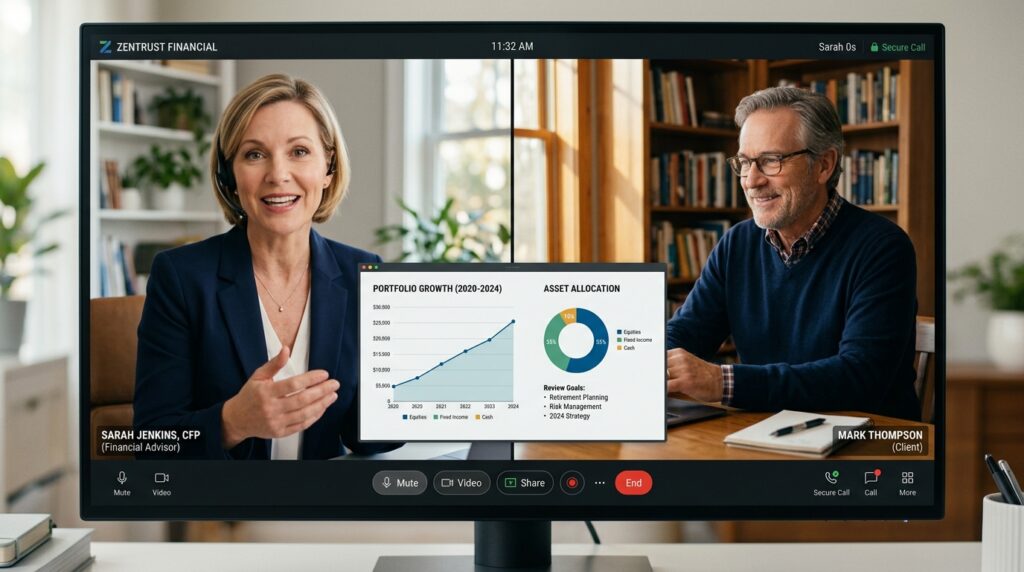
While consulting is traditionally an active income source, it can be structured to become highly scalable and semi-passive. Decide whether one-on-one coaching, group sessions, or corporate consulting best fits your expertise and time availability. Group coaching, for instance, allows you to serve multiple clients simultaneously, dramatically increasing your hourly effective rate.
Develop structured, standardized packages with clear deliverables, timelines, and fixed pricing. This prevents scope creep and makes the purchasing decision easy for your clients. Promote these services using detailed case studies, success stories, and clear, quantifiable outcomes. Utilize video calls, automated scheduling tools, and email sequences to serve clients efficiently without geographical limitations. Crucially, schedule your sessions outside your main job hours to avoid conflicts. Create foundational content, such as blogs or pre-recorded video modules, that clients must consume before meeting with you, thereby reducing the time you spend on basic explanations. Offer introductory sessions at a lower rate to attract first-time clients, gather their testimonials, and continuously refine your approach based on market feedback.
5. Develop a Recurring Subscription Model
Recurring revenue is the backbone of financial predictability and true passive income. Identify what ongoing value you can provide that encourages clients to pay a monthly or annual fee. This could be exclusive content, monthly webinars, specialized tutorials, or a library of downloadable resources.
Set up a seamless, secure, and convenient recurring payment system using platforms like Stripe, Patreon, or Memberful. Use automated email updates and a dedicated members-only area to keep engagement high. To cater to different audience segments, offer tiered subscription levels. For example, a “Basic” tier might offer monthly newsletters, while a “Premium” tier includes live Q&A sessions and direct access to you. Monitor subscriber growth, churn rates, and engagement metrics religiously to refine your strategy. Reward loyal subscribers with special perks, discounts on other products, or early access to new launches to foster a sense of community and reduce cancellation rates.
6. License Your Existing Content and Intellectual Property
Many professionals overlook the potential of licensing. If you have created high-quality digital products, courses, frameworks, or templates, you can license them to other creators, businesses, or educational institutions. This allows you to earn revenue without having to market directly to the end consumer.
Research potential partners or companies in your industry who could benefit from using your work. Draft clear, comprehensive legal agreements covering usage rights, pricing structures, duration, and territorial limits. Promote these licensing opportunities through your industry network, virtual trade shows, or specialized online marketplaces. Ensure your content is adaptable to different use cases to maximize its appeal. Negotiate mutually beneficial terms that protect your intellectual property while providing a steady stream of licensing fees. Use successful licensing cases as powerful social proof to attract larger businesses interested in your work.

7. Monetize a Blog or YouTube Channel
Content creation remains one of the most reliable ways to build an audience and generate passive income over time. Choose a niche that aligns perfectly with your expertise and your audience’s interests. The goal is to produce high-quality, informative, or entertaining content on a regular basis to build a loyal, returning following.
Utilize SEO best practices, social media promotion, and strategic collaborations to increase your visibility. Once you have established a baseline audience, implement multiple monetization methods. These include display ads (like Google AdSense), brand sponsorships, affiliate marketing, and promoting your own digital products. Analyze your analytics dashboard to understand which topics and formats perform best, and tailor your future content accordingly. Experiment with new formats, such as short-form videos or podcast interviews, to keep your content fresh. Above all, maintain a consistent posting schedule; algorithms and audiences alike reward reliability, which strengthens your brand identity and long-term earning potential.
8. Sell Ready-Made Templates and Tools
Professionals and businesses are constantly looking for ways to save time. Identify repetitive tasks or complex processes in your field that can be simplified with ready-made solutions. Create high-quality templates, such as financial modeling spreadsheets, presentation decks, legal contract drafts, or graphic design assets.
Offer these tools online through established marketplaces like Etsy, Creative Market, or directly through your own website. Provide clear, step-by-step instructions on how to use them. To lower the barrier to entry, offer free samples or limited trial versions to attract users and demonstrate the immediate value of your product. Actively collect user feedback to refine your templates and ensure they meet real-world needs. Track sales data and customer satisfaction scores to continually improve your offerings and expand your product line into complementary tools.

9. Explore Lucrative Affiliate Marketing
Affiliate marketing allows you to earn a commission by promoting other companies’ products or services that you genuinely use and trust. Research products related to your expertise that offer robust affiliate programs with competitive commission rates.
Promote these affiliate products organically through your blog posts, YouTube videos, social media channels, or email campaigns. Authenticity is paramount; only promote items that you would recommend to a friend to maintain trust and credibility with your audience. Use tracking tools to monitor your affiliate links, clicks, conversions, and overall earnings to identify your most profitable campaigns. Experiment with different content formats, such as in-depth reviews, comparison guides, or live demonstrations, to maximize revenue. As your audience size and influence grow, leverage this data to negotiate higher, custom commission rates directly with the brands you promote.
10. Automate and Scale Your Efforts
The final, and perhaps most critical, step in building true passive income is automation and scaling. You cannot achieve financial freedom if you are manually handling every aspect of your side business. Utilize automation tools for email marketing sequences, social media scheduling, and customer relationship management (CRM).
Implement workflow systems like Zapier or Notion to manage multiple revenue streams efficiently without dropping the ball. As your income grows, reinvest a portion of your profits to outsource time-consuming tasks such as content creation, graphic design, or basic customer service. This frees you up to focus exclusively on high-value activities like strategy and product development. Continuously analyze your performance metrics to identify bottlenecks and areas for improvement. Experiment with paid advertising to accelerate growth and attract more clients to your automated funnels. Set long-term financial goals and review them quarterly to ensure your passive income streams are growing sustainably and aligning with your overall wealth-building objectives.

Conclusion
Transitioning from a strict nine-to-five mindset to one of asset creation is the most powerful financial decision you can make. You do not need to quit your job to start building wealth; you simply need to leverage the skills you already possess. By identifying your expertise, building a strong online presence, creating digital products, and systematically automating your efforts, you can construct a diversified portfolio of passive income streams.
Remember that passive income is rarely 100% passive from day one. It requires upfront investment of time, energy, and sometimes capital. However, the compound effect of these efforts will eventually yield a financial reality where your money and your systems work harder than you do. Start with one strategy that resonates most with your current skill set, execute it with consistency, and gradually expand your empire. Financial freedom is not a distant dream; it is a deliberate, step-by-step architectural process.
Frequently Asked Questions (FAQ)
1. How much time do I need to dedicate weekly to build a passive income stream alongside my 9-to-5 job?
Initially, you should expect to dedicate 5 to 10 hours per week to research, creation, and setup. The key is consistency rather than massive, unsustainable bursts of effort. Once your systems, digital products, or content are established and automated, the maintenance time can drop to just 1 to 2 hours per week, allowing the income to become truly passive.
2. Do I need a large financial investment to start generating passive income from my skills?
No, a large financial investment is not required. Many of the most effective strategies, such as starting a blog, creating an eBook, or offering consulting, require minimal upfront capital. Your primary investment will be your time and intellectual property. As your streams begin to generate revenue, you can reinvest those profits into better tools, paid advertising, or outsourcing to accelerate growth.
3. What is the best passive income strategy for a complete beginner?
For beginners, creating and selling digital products (like templates or guides) or starting a niche blog with affiliate marketing are excellent entry points. These methods have low barriers to entry, teach you fundamental digital marketing skills, and do not require you to trade your time for money on an ongoing basis once the initial product is created.
4. How do I avoid burnout when managing a side hustle alongside a demanding full-time job?
Preventing burnout requires strict boundaries and ruthless prioritization. Schedule your side hustle work just like you would a mandatory medical appointment, but keep the sessions short and focused. Utilize automation tools early on to handle repetitive tasks. Most importantly, be willing to say no to opportunities that do not align with your core strategy, and ensure you are still prioritizing sleep, exercise, and personal time.
5. Are there tax implications I should be aware of when earning passive income?
Yes. In most jurisdictions, passive income, freelance earnings, and side hustle profits are considered taxable income. It is highly recommended to set aside 25% to 30% of your side income in a separate savings account to cover estimated quarterly taxes. Additionally, keep meticulous records of any business-related expenses (like software subscriptions, home office portions, or marketing costs), as these can often be deducted to lower your overall tax liability. Consulting a certified tax professional is always a wise financial move.