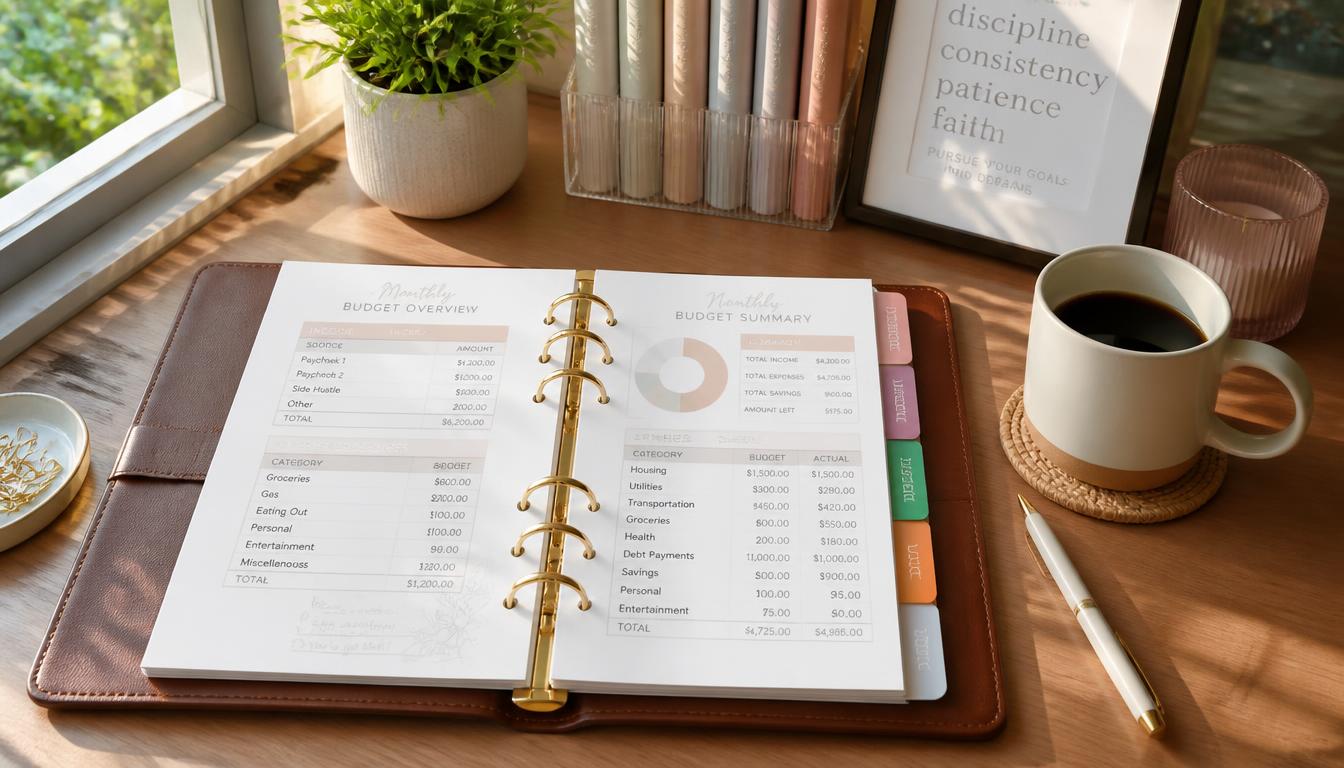
Filing for bankruptcy often feels like the end of your financial journey, carrying a heavy stigma and a profound sense of loss. However, from a professional financial advisory perspective, bankruptcy is not a financial death sentence; it is a legally protected reset button. It provides you with the breathing room necessary to restructure your debts and, more importantly, the opportunity to rebuild a stronger, more resilient financial foundation. Recovering your credit score post-bankruptcy requires discipline, strategic planning, and a deep understanding of how credit systems work.
The journey to financial recovery is a marathon, not a sprint. It involves shifting your mindset from one of financial survival to one of proactive wealth management. By implementing a structured approach to credit repair, you can systematically erase the negative impacts of your past and position yourself for future financial milestones, such as buying a home or securing favorable loan rates. This comprehensive guide will walk you through the essential, proven steps to rebuild your credit after bankruptcy, transforming your financial setback into a powerful comeback.
Phase 1: Laying the Financial Foundation
Before you can effectively rebuild your credit, you must ensure that your underlying financial house is in order. This begins with absolute clarity regarding your current financial standing and a realistic plan for your daily cash flow.
1. Check Your Credit Report Regularly
After your bankruptcy is discharged, your immediate first step must be to obtain and meticulously review your credit reports from the three major credit bureaus. You are entitled to free copies of these reports, and reviewing them is crucial for identifying errors. Bankruptcy discharges specific debts, but administrative errors frequently occur where discharged debts are incorrectly reported as open, active, or past-due.
Look for accounts listed incorrectly, duplicate entries, or outdated negative marks that should have been removed. If you find inaccuracies, dispute them immediately by sending a formal dispute letter to the credit bureau, accompanied by proof of your bankruptcy discharge. A clean, accurate credit report is the absolute foundation for rebuilding trust with lenders. It ensures that the progress you make is accurately reflected and not unfairly hindered by ghost debts from your past.
2. Create a Maintainable Budget
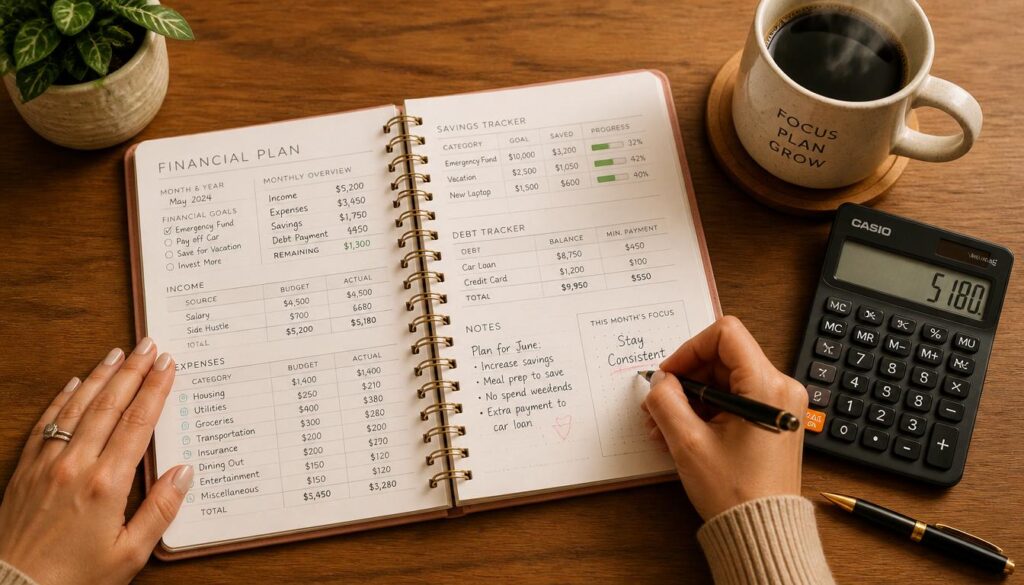
Bankruptcy is often the result of a prolonged period of living beyond one’s means or experiencing an unforeseen financial catastrophe. To prevent repeating past mistakes, you must implement a strict, maintainable budget. A budget is not a restriction; it is a blueprint that tells your money exactly where to go.
List all sources of monthly income and categorize every single expense. The goal is to live strictly within your means, ensuring your expenses do not exceed your income. Crucially, your budget must include a line item for building an emergency fund. Relying on credit cards for unexpected expenses is a primary trap that leads individuals back into debt. By maintaining a cash buffer for emergencies, you protect your newly rebuilt credit from sudden financial shocks. Tracking your spending meticulously will help you identify areas to cut back, ensuring you always have enough to cover your essential bills and your new credit payments.
Phase 2: Establishing Positive Payment Habits
Your credit score is heavily weighted by your behavior over time. Rebuilding requires proving to lenders that you are now a reliable, consistent borrower.
3. Pay All Bills on Time
Payment history is the single most significant factor in your credit score, accounting for roughly 35% of your FICO score. After a bankruptcy, your payment history is the primary metric lenders use to judge your current financial responsibility. Every single bill—including rent, utilities, phone services, and new credit accounts—must be paid on time, every single month.
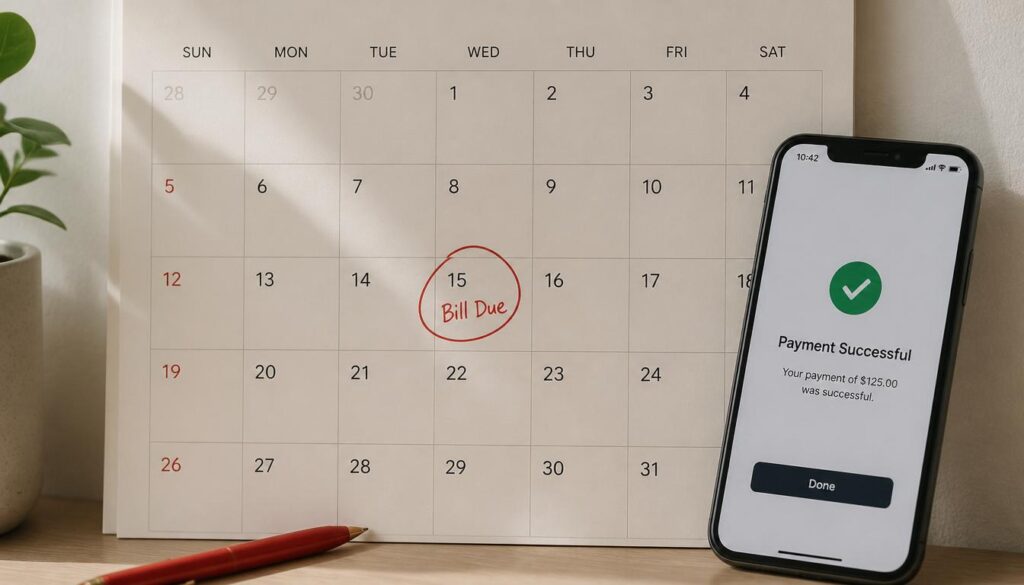
Late payments can devastate a recovering credit score very quickly. To eliminate the risk of human error, set up automatic payments for at least the minimum amount due on all your accounts. Use calendar reminders as a secondary fail-safe. If you are struggling to pay the full balance on a credit card, always pay at least the minimum amount due to avoid a late mark. Consistent, timely payments build a positive narrative on your credit report, slowly overwriting the negative history of your bankruptcy.
10. Be Patient and Stay Consistent
Rebuilding credit after bankruptcy is a test of endurance. There are no legal loopholes or quick fixes that can instantly erase a bankruptcy from your history. The process requires immense patience and unwavering consistency. It is vital to manage your expectations; your score will not jump 100 points overnight.
Focus on steady, incremental progress. Celebrate small milestones, such as your first year of on-time payments, or the moment you qualify for a slightly better interest rate. Avoid the temptation to fall back into old financial habits or take on high-risk debt to speed up the process. By staying consistent with your budget and payment habits, the negative impact of the bankruptcy will naturally fade over time, making way for a strong, healthy credit profile.
Phase 3: Strategic Credit Tools for Recovery
Once your budget is stable and your payment habits are ingrained, you need to actively generate positive data for the credit bureaus. Since your existing credit lines were likely closed or discharged, you must utilize specific financial tools to reintroduce credit into your profile.
4. Apply for a Secured Credit Card
For most individuals post-bankruptcy, a secured credit card is the most accessible and effective tool for rebuilding credit. Unlike a traditional unsecured card, a secured card requires an upfront cash deposit, which typically acts as your credit limit. Because the bank holds your deposit as collateral, the risk to the lender is minimal, making approval highly likely.
Use this card for small, routine purchases—like a monthly subscription or groceries—and pay the statement balance in full every single month. This activity is reported to the credit bureaus, generating positive payment history. When selecting a secured card, choose one with low annual fees and a clear path to “graduate” to an unsecured card after a period of responsible use (usually 6 to 12 months), at which point your deposit is refunded.
7. Consider a Credit Builder Loan
If you want to diversify how you build credit, a credit builder loan is an excellent alternative. Offered primarily by credit unions and community banks, these loans work in reverse. When you are approved, the bank does not give you the money upfront. Instead, they place the loan amount into a locked savings account or certificate of deposit.
You then make fixed monthly payments toward this balance. Once the loan is fully paid off, the bank releases the funds to you. Throughout the term, the bank reports your on-time payments to the credit bureaus. This allows you to build a positive installment loan history on your credit report while simultaneously forcing yourself to save money. It is a low-risk, highly effective strategy for post-bankruptcy recovery.
8. Become an Authorized User
If you have a trusted family member or friend with a stellar credit history, you can ask them to add you as an authorized user on one of their oldest, lowest-utilization credit cards. When you are added, the entire history of that specific credit card is copied onto your credit report.
This “piggybacking” strategy can provide an immediate boost to your credit score by adding a long, positive payment history to your file. However, this strategy comes with caveats. You must ensure the primary cardholder maintains impeccable credit habits; if they miss a payment or max out the card, it will negatively impact your score. Furthermore, you do not actually need to possess or use the physical card to reap the credit score benefits.

Phase 4: Managing Credit Utilization and Inquiries
As you begin to use your new credit tools, how you manage the mechanics of your accounts becomes just as important as paying on time.
5. Keep Credit Utilization Low
Credit utilization—the ratio of your outstanding credit card balances to your total credit limits—is the second most important factor in your credit score, accounting for 30% of your FICO calculation. Even if you pay your bills on time, maxing out your secured credit card will severely damage your recovering score.
Aim to keep your credit utilization below 30%, though keeping it below 10% yields the best results. If your secured card has a $500 limit, never carry a balance higher than $50 to $150 when your statement closes. If you need to make a large purchase, consider making multiple small payments throughout the billing cycle to keep the reported balance low. Lenders view low utilization as a sign that you are not overextended and are managing your credit responsibly.
6. Avoid Applying for Too Much Credit
When you are eager to rebuild, it is tempting to apply for every credit card or loan you are offered. Resist this urge. Every time you apply for new credit, the lender performs a “hard inquiry” on your report, which can temporarily ding your score by a few points.
Multiple hard inquiries in a short period signal to lenders that you are desperate for credit or taking on too much risk, which can lead to automatic rejections. After bankruptcy, apply for credit only when absolutely necessary. Focus on building a solid, lengthy history with one secured card and perhaps one credit builder loan before seeking additional credit lines. Protect your score by being highly selective with your applications.

Phase 5: Diversifying Your Credit Profile
The final step in optimizing your credit score involves demonstrating that you can handle various types of financial obligations.
9. Mix Different Types of Credit Wisely
Your credit mix accounts for about 10% of your credit score. Lenders want to see that you can manage different types of debt responsibly. The two primary categories are revolving credit (like credit cards, where you have a limit and can carry a balance) and installment credit (like auto loans or student loans, which have a fixed number of payments).
After bankruptcy, do not rush to take on a massive car loan just to improve your credit mix. Instead, start small. Establish one or two revolving accounts (like your secured card) and let them age. Once your score has recovered significantly and your income is stable, you might consider a small installment loan if you actually need one. Managing a healthy mix of both account types shows lenders that you are a well-rounded, reliable borrower.
Conclusion
Rebuilding your credit after bankruptcy is a profound journey of financial redemption. It requires you to confront your past financial mistakes, establish rigorous new habits, and exercise immense patience. By checking your credit report for errors, living within a strict budget, and paying every bill on time, you lay an unbreakable foundation. Utilizing tools like secured credit cards and credit builder loans allows you to generate positive data, while managing your utilization and avoiding excessive inquiries protects your progress.
Remember that your credit score is a reflection of your financial behavior, not your self-worth. A bankruptcy discharge is a legal tool designed to give you a second chance, but it is your daily financial discipline that will ultimately secure your future. Stay consistent, celebrate your incremental victories, and trust the process. With time and the right strategies, you will not only rebuild your credit score—you will build a lifetime of financial resilience and freedom.

Frequently Asked Questions (FAQ)
1. How long will a bankruptcy stay on my credit report?
The duration depends on the type of bankruptcy filed. A Chapter 7 bankruptcy, which involves the liquidation of assets to discharge debts, typically remains on your credit report for 10 years from the filing date. A Chapter 13 bankruptcy, which involves a structured repayment plan, generally stays on your report for 7 years from the filing date. However, its negative impact on your score diminishes significantly over time, especially as you add positive credit history.
2. Can I get a mortgage or buy a house after bankruptcy?
Yes, it is entirely possible to buy a house after bankruptcy, but you must observe specific waiting periods. For an FHA loan, you typically need to wait two years after a Chapter 7 discharge (or one year into a Chapter 13 repayment plan). For a conventional loan, the waiting period is usually four years after a Chapter 7 discharge. During this waiting period, focusing on rebuilding your credit and saving for a down payment is crucial.
3. Will checking my own credit report hurt my credit score?
No, checking your own credit report is considered a “soft inquiry” and has absolutely zero impact on your credit score. In fact, you are encouraged to check your reports regularly to monitor your progress and dispute any errors. Only “hard inquiries,” which occur when a lender checks your credit for the purpose of approving a new loan or credit card, can temporarily lower your score.
4. How quickly can I expect my credit score to improve after bankruptcy?
The timeline varies based on your starting point and the strategies you employ, but many people see noticeable improvements within 6 to 12 months of consistent, positive behavior. Adding a secured credit card, keeping utilization extremely low, and making flawless on-time payments can yield a score increase of 50 to 100 points within the first year. Reaching a “good” or “excellent” score (above 670) typically takes 12 to 24 months of dedicated effort.
5. Should I hire a credit repair company to fix my score after bankruptcy?
It is generally unnecessary and often not recommended to hire a credit repair company. Legitimate credit repair companies cannot do anything that you cannot do yourself for free. They cannot legally remove accurate negative information (like a legitimate bankruptcy) from your report. Many companies in this space are predatory and charge high fees for services you can easily perform yourself, such as disputing inaccuracies with the credit bureaus. Save your money and focus on building positive credit habits.