
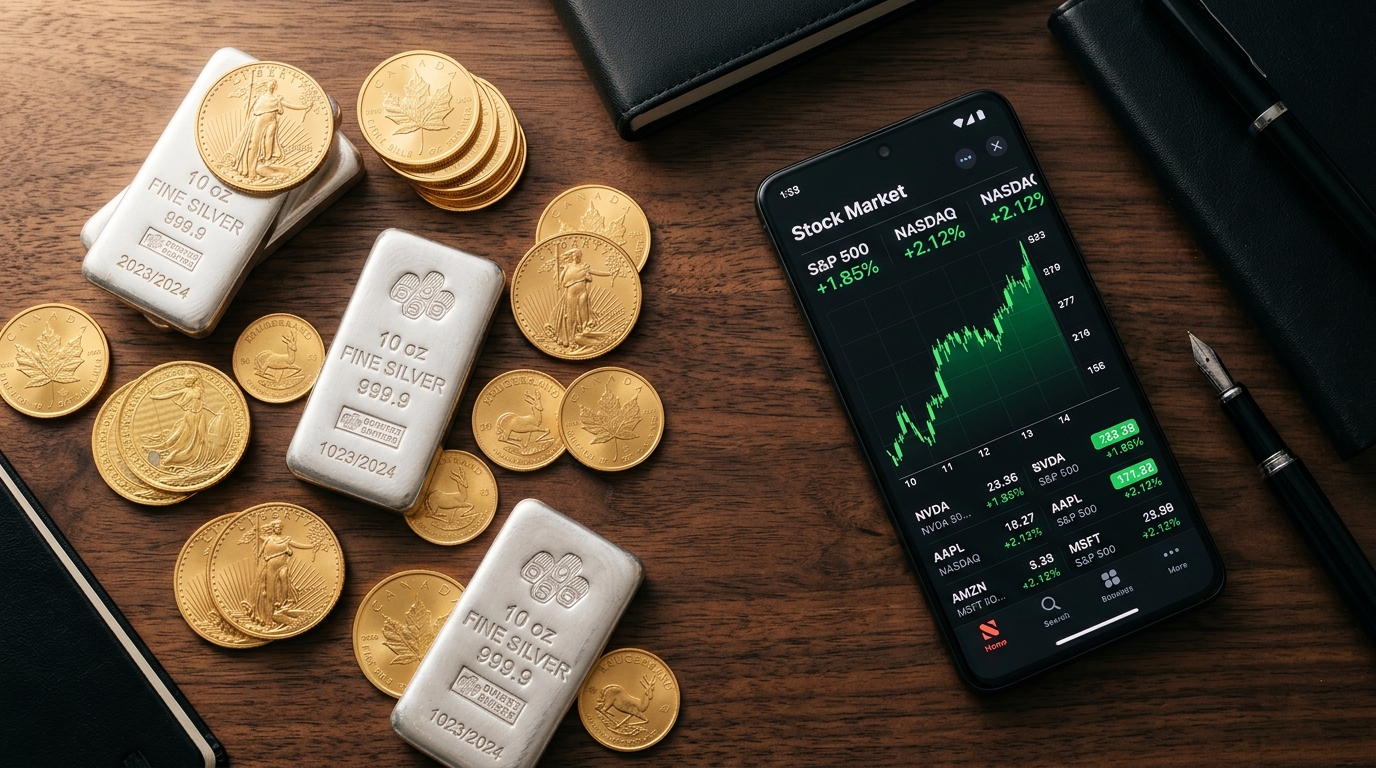
In an ever-evolving financial landscape, building a resilient investment portfolio requires looking beyond traditional stocks and bonds. Investing in gold, silver, and broader commodities remains a powerful strategy to diversify your holdings, manage risk, and hedge against market volatility. Whether you are a seasoned investor looking to protect your wealth or a beginner eager to explore tangible assets, understanding the mechanics of precious metals and commodity markets is essential.
This comprehensive guide will explore the most effective ways to invest in gold, silver, and commodities. We will break down current market dynamics, evaluate various investment vehicles, and highlight the risks and opportunities inherent in these asset classes, empowering you to make informed, strategic decisions for your financial future.
The Strategic Importance of Precious Metals and Commodities
To build a robust portfolio, one must first understand the fundamental role that gold, silver, and commodities play in the global economy. Historically, precious metals have served as the ultimate safe-haven assets. During periods of economic uncertainty, currency devaluation, and geopolitical tension, investors flock to gold and silver to preserve their purchasing power. Unlike fiat currencies, which can be printed in unlimited quantities by central banks, precious metals have a finite supply, making them an intrinsic store of value.
Commodities, which encompass everything from energy and agricultural products to industrial metals, are the foundational building blocks of the global economy. Their prices are heavily influenced by the basic laws of supply and demand, weather patterns, and macroeconomic cycles. For instance, a surge in global manufacturing increases the demand for copper and oil, while climate anomalies can drastically affect the supply of wheat or coffee.
Furthermore, the modern push toward technological advancements and green energy initiatives has created unique demand drivers for specific commodities. Investing in these tangible assets provides a critical hedge against inflation. When the cost of living rises, the prices of raw materials and precious metals typically follow suit, protecting the real value of your investment portfolio. By recognizing the distinct behavioral patterns of each asset class, investors can effectively position themselves to benefit from both cyclical fluctuations and long-term secular trends.
Diverse Avenues for Investing in Gold and Silver
One of the greatest advantages of precious metals is the variety of ways you can gain exposure to them. Each investment vehicle carries its own unique profile regarding risk, liquidity, and cost, allowing you to tailor your approach to your specific financial goals.
Physical Ownership Purchasing physical bullion, such as gold and silver coins or bars, offers the highest level of control. You hold the tangible asset in your hands, eliminating counterparty risk. However, physical ownership comes with logistical challenges, including secure storage, insurance costs, and the potential difficulty of quickly liquidating large amounts.
Exchange-Traded Funds (ETFs) and Mutual Funds For investors prioritizing liquidity and convenience, precious metal ETFs are an excellent alternative. These funds trade on major stock exchanges just like regular shares, allowing you to buy and sell exposure to gold or silver instantly without the hassle of storing physical metal. Mutual funds and mining stocks offer another layer of exposure. By investing in the companies that extract these metals, you gain leverage to the metal’s price, alongside potential dividend income, though you also take on operational and corporate management risks.
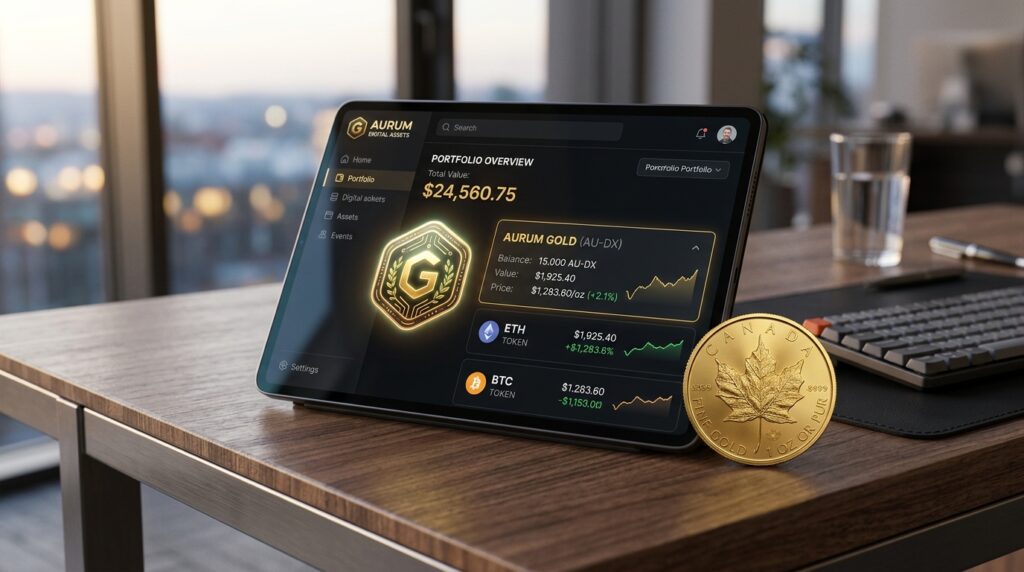
Futures, Options, and Digital Tokens Sophisticated traders often utilize futures and options contracts to trade precious metals with leverage. These derivatives are highly speculative and require a deep understanding of market mechanics. Meanwhile, the digital age has introduced blockchain-based digital gold and silver tokens. These tokens are backed by physical metals stored in secure vaults, offering the transparency and ease of transfer inherent to cryptocurrency, combined with the intrinsic value of physical precious metals.
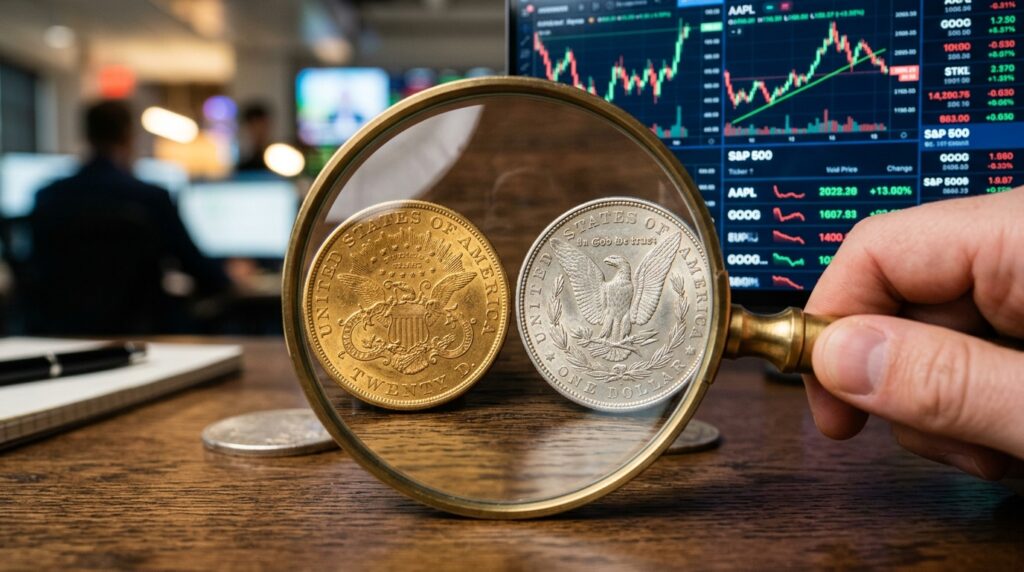
Analyzing Market Conditions for Precious Metals
Successfully investing in gold and silver requires a keen understanding of the macroeconomic indicators that drive their prices. Precious metals do not exist in a vacuum; their valuations are deeply intertwined with global monetary policies and geopolitical events.
Inflation and Central Bank Policies Persistently high inflation is a primary catalyst for precious metal rallies. As the purchasing power of fiat currency erodes, the appeal of hard assets skyrockets. Central bank policies play a pivotal role here. When central banks tighten monetary policy by raising interest rates, the opportunity cost of holding non-yielding assets like gold increases, which can temporarily suppress prices. Conversely, when central banks engage in quantitative easing or lower rates, gold and silver typically surge.
Currency Fluctuations Gold and silver are globally priced in US dollars. Consequently, there is a strong inverse relationship between the strength of the dollar and precious metal prices. A weakening dollar makes gold cheaper for foreign buyers, driving up demand and prices. Monitoring the US Dollar Index (DXY) is a crucial habit for any precious metals investor.
Geopolitics and Supply Dynamics Geopolitical risks, including trade wars, regional conflicts, and political instability, consistently drive investors toward safe-haven assets. On the supply side, factors such as mining output, recycling rates, and disruptions in major producing regions can create supply bottlenecks. Additionally, silver possesses a dual identity; it is both a precious metal and a vital industrial metal. Therefore, silver prices are also heavily influenced by industrial demand from the electronics, solar panel, and medical device sectors.
Expanding Your Horizon: Investing in Commodities Beyond Precious Metals
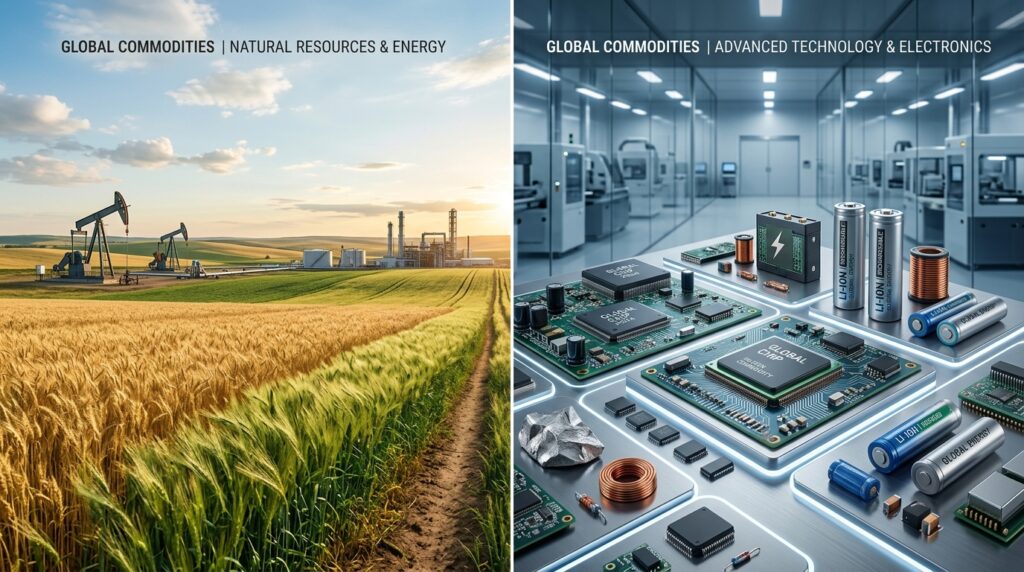
While gold and silver often steal the spotlight, the broader commodity market offers vast opportunities for diversification. Commodities are generally categorized into four main groups: energy, agriculture, industrial metals, and livestock. Each category responds differently to global events.
Energy Commodities Oil and natural gas are the lifeblood of global transportation and manufacturing. Their prices are notoriously volatile, reacting sharply to OPEC production decisions, geopolitical conflicts in oil-rich regions, and shifts in global energy consumption.
Industrial Metals Metals like copper, aluminum, and lithium are critical to infrastructure and manufacturing. The current global transition toward renewable energy and electric vehicles is fundamentally reshaping the demand for these metals. The “green transition” requires massive amounts of copper for electrical grids and lithium and cobalt for battery storage, creating long-term structural demand for these industrial commodities.
Agricultural Commodities Wheat, corn, soybeans, and coffee are essential for global food security. Agricultural commodities are highly sensitive to climate variability, such as droughts or floods, which can devastate crop yields and spike prices. They are also influenced by global population growth, changing dietary habits, and international trade policies.
Investors can gain exposure to these diverse sectors through commodity-specific ETFs, mutual funds, or by purchasing stocks of companies operating within those sectors. A well-diversified commodity portfolio helps mitigate sector-specific risks and allows you to capitalize on global consumption trends and supply constraints.
How to Buy and Store Physical Metals Safely
For those who choose the route of physical ownership, ensuring the authenticity and security of your investment is paramount. The process of buying physical gold and silver requires diligence to avoid counterfeits and excessive markups.
Purchasing Physical Metals Always buy from reputable, well-reviewed dealers or official government mints. Look for certified bullion products that feature recognized hallmarks guaranteeing their weight and purity. Popular and highly liquid options include American Eagle coins, Canadian Maple Leafs, and certified Swiss bars. Be aware that physical metals are sold at a “premium” over the spot price. This premium covers the costs of manufacturing, distribution, and dealer margins. Comparing premiums across different dealers can save you a significant amount of money over time.
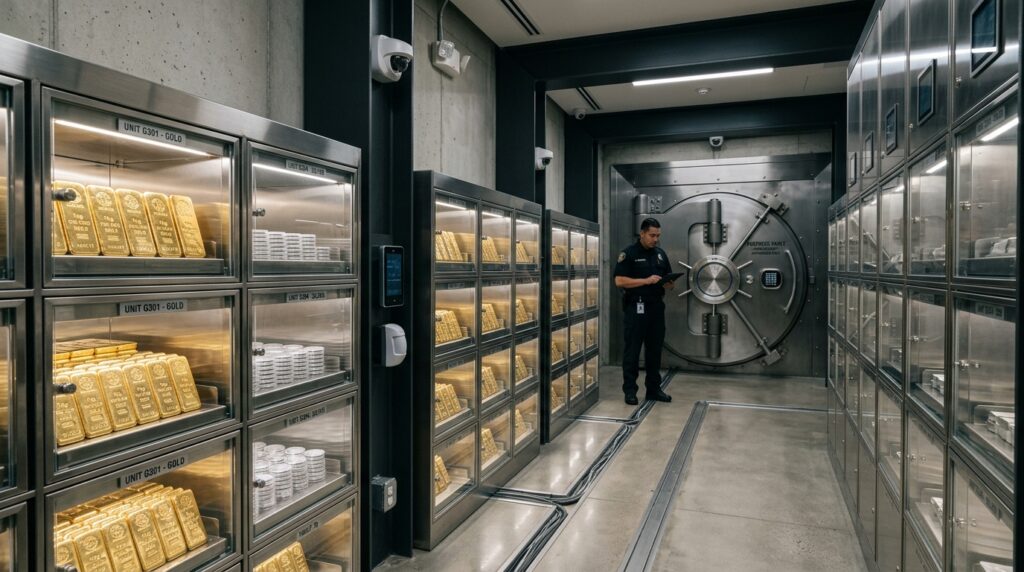
Secure Storage Solutions Once you have acquired your physical metals, securing them is your next critical step.
- Home Safes: Keeping metals at home offers immediate access and privacy. However, it requires a high-quality, bolted-down safe and may not be fully covered by standard homeowner’s insurance policies in the event of theft or disaster.
- Professional Vault Storage: Utilizing a bank safe deposit box or a specialized private custodian provides enhanced security and often includes comprehensive insurance.
- Allocated vs. Unallocated: If using a third-party storage service, understand the difference between allocated and unallocated storage. Allocated storage means specific bars or coins are legally yours and held exclusively for you. Unallocated storage means you have a general claim to a pool of metal, which carries counterparty risk if the custodian faces financial distress.
Modern innovations have also introduced insured digital vaults that utilize blockchain technology to provide immutable proof of ownership, merging the security of physical storage with digital convenience.
Leveraging ETFs and Digital Commodity Platforms
For investors who prefer the ease of digital trading and high liquidity over the logistical burdens of physical storage, Exchange-Traded Funds (ETFs) and digital commodity platforms are superior choices.
The Power of Commodity ETFs ETFs allow you to trade commodities with the simplicity of buying a stock. Physical-backed ETFs, such as the SPDR Gold Shares (GLD) or the iShares Silver Trust (SLV), hold actual physical metal in secure vaults to back their shares, providing you with direct exposure to the spot price of the metal. Other ETFs may use futures contracts to track commodity prices. When selecting an ETF, pay close attention to the expense ratio (the annual fee charged by the fund) and the fund’s liquidity, which ensures you can enter and exit positions easily without significant price slippage. Recently, many ETFs have also begun incorporating Environmental, Social, and Governance (ESG) criteria, appealing to socially conscious investors.
The Rise of Digital Commodity Platforms The fintech revolution has birthed digital platforms that allow for the fractional ownership of precious metals. Using blockchain technology, these platforms tokenize physical gold and silver, allowing you to buy, sell, and transfer fractions of an ounce with minimal fees. The underlying physical metals are stored in highly secure, audited vaults. The blockchain ledger provides complete transparency, ensuring that every digital token is 100% backed by physical metal, thereby drastically reducing counterparty risk. When utilizing these platforms, always verify their regulatory compliance, the security of their custodial arrangements, and the transparency of their third-party audits.
Conclusion
Investing in gold, silver, and broader commodities is a timeless strategy that continues to offer profound benefits in the modern financial ecosystem. These tangible assets provide a crucial buffer against inflation, currency devaluation, and geopolitical instability, making them indispensable tools for portfolio diversification.
Whether you choose to stack physical coins in a private vault, buy shares in a highly liquid ETF, invest in the mining companies that pull these resources from the earth, or explore innovative digital tokenized platforms, the key to success lies in education and strategic alignment. By understanding the macroeconomic drivers of commodity prices and carefully selecting the investment vehicles that match your risk tolerance and liquidity needs, you can build a resilient portfolio capable of weathering economic storms and preserving your wealth for generations to come.
Frequently Asked Questions (FAQ)
1. What percentage of my portfolio should be allocated to gold and commodities?
Financial advisors typically recommend allocating between 5% and 15% of a diversified investment portfolio to precious metals and commodities. The exact percentage depends on your risk tolerance, investment timeline, and overall financial goals. Conservative investors leaning toward wealth preservation might aim for the higher end of this spectrum, while aggressive growth investors might stay at the lower end.
2. Is it better to buy physical gold or invest in a gold ETF?
The “better” option depends on your priorities. Physical gold offers ultimate security, privacy, and zero counterparty risk, but it comes with storage costs, insurance, and lower liquidity. Gold ETFs offer high liquidity, ease of trading, and no storage hassles, but they carry minor management fees and counterparty risk. Many investors choose a hybrid approach, holding some physical metal for insurance and ETFs for trading flexibility.
3. How do interest rates affect the price of gold and silver?
Gold and silver do not pay interest or dividends. Therefore, when central banks raise interest rates, the opportunity cost of holding non-yielding precious metals increases, as investors can get risk-free returns from bonds or savings accounts. This typically puts downward pressure on gold and silver prices. Conversely, when interest rates are low or falling, precious metals become more attractive, often driving their prices up.
4. What are the primary risks of investing in mining stocks?
While mining stocks offer leverage to the price of the underlying metal, they carry distinct corporate risks. These include operational hazards (like mine collapses or labor strikes), management inefficiencies, geopolitical risks in the countries where the mines are located, and fluctuating extraction costs. A mining company’s stock can underperform even if the price of gold or silver is rising, due to these company-specific factors.
5. How can I ensure the physical gold and silver I buy is authentic?
To ensure authenticity, always purchase from reputable, established dealers with verifiable track records and positive industry reviews. Buy recognized bullion products from government mints (like the US Mint or Royal Canadian Mint) or accredited private refiners. Look for proper assay certifications, serial numbers, and hallmarks. For high-value purchases, you can also use specialized testing tools like electronic sigma meters, or have the metals verified by a professional third-party grading service.

