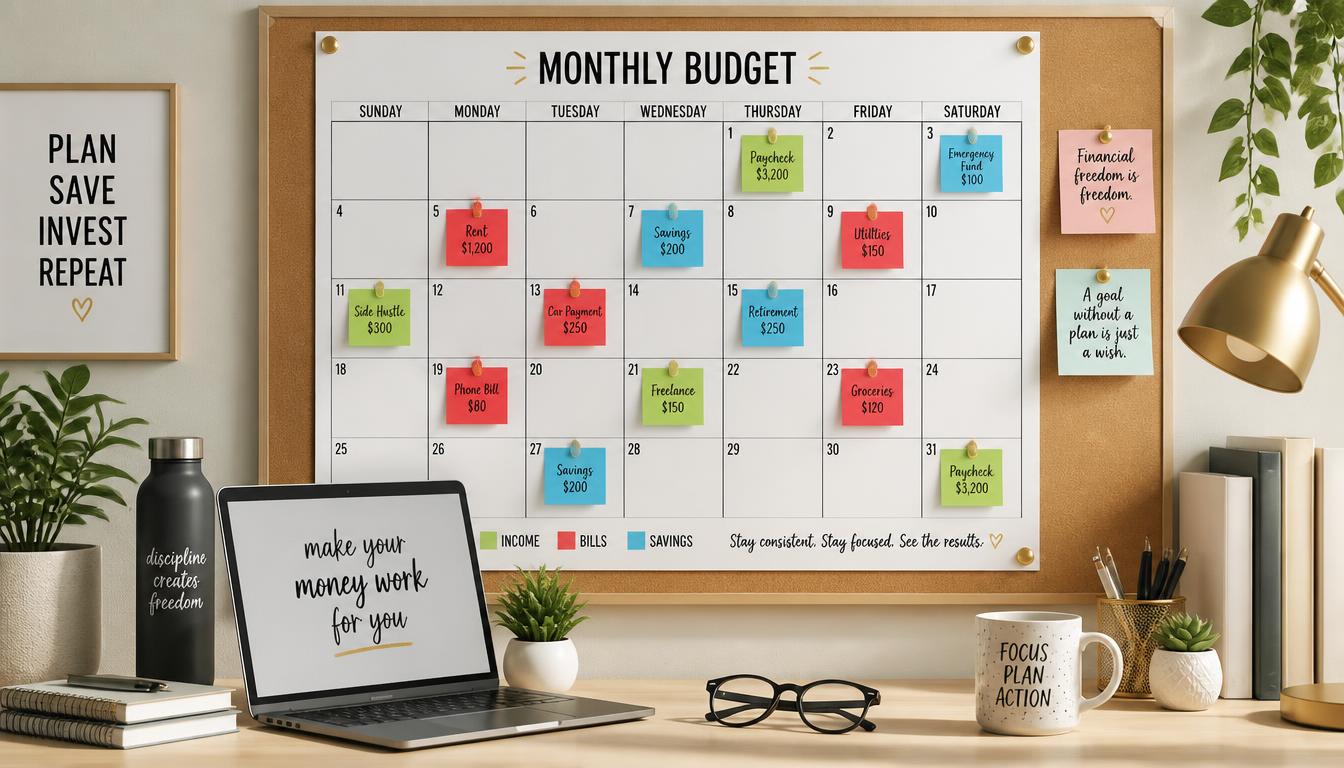
Receiving your first official paycheck is a monumental milestone. It is the tangible proof of your hard work, your transition into independence, and your entry into the adult world of financial responsibility. When that direct deposit notification pings on your phone, the initial feeling is often a rush of excitement and validation. However, this excitement is frequently followed by a dangerous temptation: the urge to spend it all.
While it is entirely natural to want to celebrate this achievement, your first paycheck is much more than just a reward for past labor. It is the foundational brick of your entire financial future. The habits you establish today will dictate your financial trajectory for the next decade and beyond. If you spend it all on fleeting luxuries, you risk setting a precedent of living paycheck to paycheck. If you allocate it wisely, you lay the groundwork for long-term wealth, stability, and freedom.
As a financial advisor, I often see young earners make the mistake of ignoring the strategic management of their early income. This comprehensive guide will walk you through exactly what to do with your first paycheck, transforming it from a simple deposit into a powerful tool for building the life you truly want.
Understanding Your True Earning Power
Before you can effectively plan what to do with your money, you must first understand what you are actually working with. One of the most common shocks for first-time earners is looking at their pay stub and realizing the take-home pay is significantly less than the salary they negotiated or were promised.
This discrepancy is due to mandatory and voluntary deductions. Your gross income is reduced by federal and state taxes, Social Security, Medicare, and potentially health insurance premiums or retirement contributions. It is crucial to realize that your budget must be built entirely around your net income (your take-home pay), not your gross income.
Think of your net paycheck as your primary financial tool. Just like a craftsman must understand the exact specifications of their tools to build a masterpiece, you must understand the exact amount of cash flowing into your bank account to build your financial life. Do not base your lifestyle on a number you will never actually see in your checking account. Embrace the reality of your take-home pay, as this clarity is the first step toward financial empowerment.
The Blueprint: Crafting Your First Paycheck Financial Plan
The most critical step in managing your first paycheck is giving every single dollar a specific job. Without a plan, your money will inevitably disappear into the void of miscellaneous spending. The most effective and widely recommended framework for beginners is the 50/30/20 rule.

The 50/30/20 Rule Explained
This rule divides your net income into three distinct categories:
1. Needs (50%): This half of your income is strictly for survival and essential obligations. This includes rent, utilities, basic groceries, transportation, insurance premiums, and minimum debt payments. If your essential costs exceed 50% of your income, you may need to find ways to reduce your living expenses, perhaps by getting a roommate or cooking at home more often.
2. Wants (30%): This is your lifestyle category. It includes dining out, entertainment, hobbies, subscriptions, shopping, and travel. This category ensures that your financial plan is sustainable and enjoyable. Depriving yourself entirely leads to budget burnout.
3. Savings and Debt Repayment (20%): This is your wealth-building category. This money is dedicated to building your emergency fund, making extra payments on high-interest debt, and investing for the future.
Real-World Example: If your monthly take-home pay is $3,000, your budget would look like this:
- Needs ($1,500): Rent, groceries, car payment, utilities.
- Wants ($900): Netflix, weekend dinners, new clothes, concerts.
- Savings/Debt ($600): Emergency fund contributions, extra student loan payments, Roth IRA investments.
While the 50/30/20 rule is a fantastic starting point, remember that it is a guideline, not a rigid law. If you live in a high-cost-of-living city, your “needs” might take up 60%, meaning you will need to adjust your “wants” down to 20%. The core principle remains the same: prioritize your savings and investments before you spend on your wants.
Building Your Financial Fortress: The Emergency Fund
Life is inherently unpredictable. Cars break down, medical emergencies happen, and economies shift. Without a financial cushion, an unexpected expense can force you into high-interest credit card debt, derail your budget, and cause immense stress. Your first paycheck is the perfect opportunity to start building your emergency fund.

An emergency fund is not an investment; it is insurance. It is money set aside strictly for unforeseen financial emergencies, providing you with peace of mind and preventing you from having to borrow money when life throws a curveball.
How to Build It
Do not feel overwhelmed by the ultimate goal. Start small. From your very first paycheck, transfer a specific amount—even if it is just $50 or $100—into a dedicated savings account.
- Starter Fund: Aim for a quick $1,000 to cover minor emergencies like a car repair or a sudden medical copay.
- Intermediate Fund: Once the starter fund is complete, build it up to cover one month of essential living expenses.
- Fully Funded: Ultimately, your goal is to save three to six months’ worth of essential expenses.
Pro-Tip: Keep your emergency fund in a High-Yield Savings Account (HYSA). Unlike a traditional checking account that pays negligible interest, an HYSA offers a significantly higher Annual Percentage Yield (APY). This ensures your safety net is not only secure but also keeping pace with inflation, and it remains completely liquid should you need to access it immediately.
Crushing the Debt Monster Early
For many young professionals, the first paycheck arrives alongside the heavy shadow of student loans, credit card balances, or personal loans. It is incredibly tempting to ignore these debts and focus solely on enjoying your new income. However, addressing debt early is one of the most mathematically and psychologically sound moves you can make.
High-interest debt, particularly credit card balances, is a wealth destroyer. If you are carrying a credit card balance with a 20% interest rate, that debt is growing faster than almost any safe investment you could make. Ignoring it means you are effectively paying a guaranteed 20% return to the credit card company.
Strategies for Debt Payoff
When allocating the 20% “savings and debt” portion of your budget, prioritize high-interest debt first. Always make at least the minimum payments on all your loans to avoid penalties and credit score damage, but direct any extra funds toward the highest interest rate.
There are two primary methods for tackling debt:
- The Debt Avalanche: You focus all extra payments on the debt with the highest interest rate while paying minimums on the rest. This is the mathematically optimal method, saving you the most money in interest over time.
- The Debt Snowball: You focus all extra payments on the smallest balance first, regardless of interest rate. Once it is paid off, you roll that payment into the next smallest debt. This method provides quick psychological wins and keeps you motivated.
Choose the method that aligns best with your personality. The most important step is to attack the debt aggressively before lifestyle inflation takes over.
The Wealth Multiplier: Starting Your Investment Journey
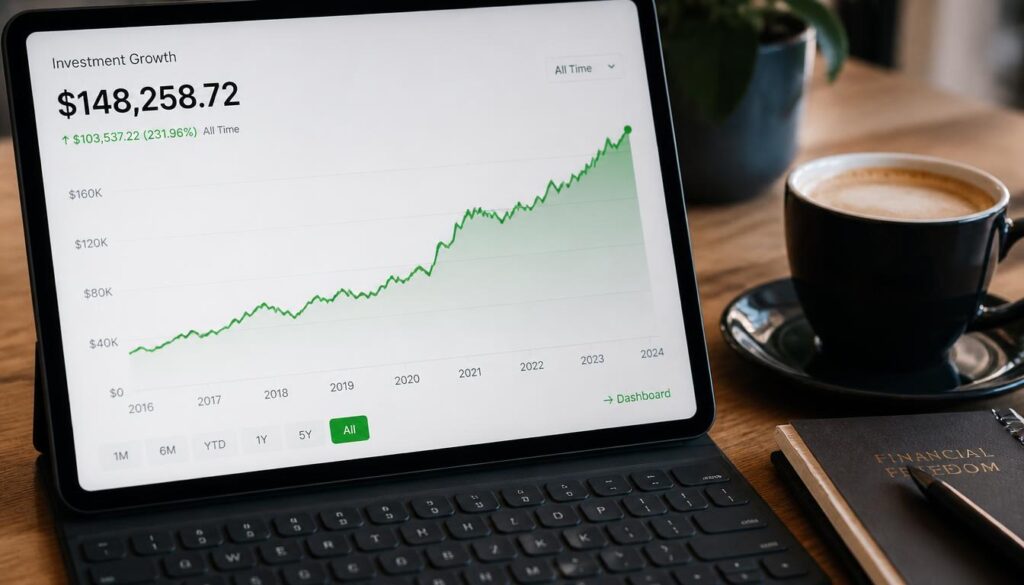
Your first paycheck is your gateway to the world of investing. Many beginners believe they need to be wealthy to start investing, but the truth is that time is the most critical ingredient in building wealth, not the initial amount of money. Thanks to the magic of compound interest, starting early gives you an insurmountable advantage.
Compound interest is the interest earned on both your initial principal and the accumulated interest from previous periods. To illustrate: if you invest just $200 a month starting at age 22, assuming an average annual return of 7%, you would have over $500,000 by the time you retire at age 60. If you wait until age 32 to start investing that same $200 a month, you will only have about $230,000. That single decade of delay costs you nearly $300,000.
Where to Invest
- Employer-Sponsored Plans (401k/403b): If your employer offers a retirement plan with a matching contribution, contribute at least enough to get the full match immediately. An employer match is a 100% immediate return on your investment. It is literally free money, and leaving it on the table is a massive financial mistake.
- Individual Retirement Accounts (IRA): If your employer does not offer a match, or after you have secured the full match, open a Roth IRA. You contribute post-tax dollars, and the money grows tax-free, meaning you pay zero taxes on the gains when you withdraw it in retirement.
- Brokerage Accounts: For funds you want to access before retirement age, open a standard taxable brokerage account.
What to Buy: Keep it simple. You do not need to pick individual stocks. Invest in low-cost, broadly diversified index funds or Exchange Traded Funds (ETFs), such as those tracking the S&P 500 or the total stock market. This provides instant diversification and minimizes risk while capturing the overall growth of the economy.
The Psychology of Money: Rewarding Yourself Responsibly
A common mistake in personal finance is adopting a mindset of extreme frugality. While living below your means is essential, living miserably below your means is unsustainable. Your first paycheck is a major life milestone, and it is entirely appropriate to celebrate it.
The key is to reward yourself responsibly within the boundaries of your budget. Allocate a specific, predefined amount from your “Wants” category for a celebration. This could be a nice dinner at your favorite restaurant, buying a gadget you have been eyeing, or purchasing a high-quality item for your new apartment.
By planning your reward, you engage in guilt-free spending. You get to enjoy the fruits of your labor without derailing your financial plan. This psychological balance is crucial; it reinforces the positive behavior of budgeting and proves to your brain that managing money wisely does not mean giving up all the things you enjoy. It shifts the narrative from “I can’t afford that” to “I have planned for that.”
Automating Your Success: Setting Up Systems
Willpower is a finite resource. If you have to manually decide to save money, pay your bills, and invest every single month, you will eventually experience decision fatigue and make a mistake. The secret to long-term financial success is removing human error and emotion from the equation by automating your finances.
Set up your financial ecosystem so that your money flows in the right direction the moment it hits your account.
- Pay Yourself First: Set up an automatic transfer from your checking account to your High-Yield Savings Account (for your emergency fund) and your investment accounts to occur on the exact day you get paid.
- Automate Bills: Set up auto-pay for all your fixed “Needs” expenses, such as rent, utilities, and internet.
- Automate Minimum Debt Payments: Ensure your student loans and other debts are set to auto-pay the minimum amount to avoid late fees.
Once your automation is set up, your checking account will only contain the money allocated for your “Wants” and variable daily expenses. This system ensures that your savings and investments grow consistently in the background, completely removing the temptation to spend money that was already earmarked for your future.
Thinking Long-Term: Aligning Money with Life Goals

Beyond the immediate mechanics of budgeting, saving, and investing, your first paycheck is an invitation to think about the broader picture. Money is not the end goal; it is a tool to design the life you want to live.
Take some time to define your long-term goals. Do you want to buy a house in five years? Do you dream of traveling the world? Do you want to achieve Financial Independence and Retire Early (FIRE)? Do you want to start your own business?
Every financial decision you make today is a vote for the future you want to create. When you align your daily spending and saving habits with your grand life vision, managing your money stops feeling like a chore and starts feeling like an empowering strategy. Your first paycheck might seem small in the grand scheme of your life, but it is the seed from which your entire financial forest will grow.
Conclusion
Your first paycheck is much more than a deposit; it is the prologue to your financial story. It represents your independence, your responsibility, and your limitless potential. By taking the time to understand your net income, implementing a structured budget like the 50/30/20 rule, building an emergency fund, aggressively tackling high-interest debt, and starting your investment journey early, you are doing something that the vast majority of people fail to do.
It is incredibly important to celebrate this milestone and enjoy the rewards of your hard work. However, it is even more vital to use this moment to establish systems and habits that will serve you for the rest of your life. Automate your finances, stay disciplined, and keep your long-term goals in focus.
Ten, twenty, or thirty years from now, you will look back at the choices you made with this very first paycheck. You will realize that the small, consistent actions you took at the beginning of your career played the most significant role in shaping your ultimate financial freedom. Make your first paycheck count, and let it be the foundation of a wealthy, secure, and abundant future.
Frequently Asked Questions (FAQ)
1. How much of my first paycheck should I save?
A great rule of thumb is the 50/30/20 rule, which suggests saving and investing at least 20% of your net (take-home) income. However, if your essential living expenses are high, you may need to start with 10% or 15%. The most important thing is to start with a consistent percentage and increase it whenever you get a raise.
2. Should I pay off debt or start investing first?
You should prioritize high-interest debt (like credit cards with interest rates above 7-8%) before investing, because the interest you pay on the debt will likely outpace any investment returns. However, if your employer offers a 401(k) match, always contribute enough to get the full match first, as that is a guaranteed 100% return on your money.
3. What is the best type of bank account for my first paycheck?
You should utilize a multi-account strategy. Use a standard Checking Account for your daily spending and bill payments. Open a High-Yield Savings Account (HYSA) for your emergency fund to earn better interest. Finally, open a Brokerage or Retirement Account (like a Roth IRA) specifically for your long-term investments.
4. How do I avoid lifestyle inflation after I get a raise?
Lifestyle inflation happens when your spending increases every time your income increases. To avoid this, implement the “save half” rule: whenever you get a raise, automatically direct 50% of the new, increased income directly into your savings and investment accounts, and allow yourself to use the other 50% to upgrade your lifestyle.
5. Is it okay to spend some of my first paycheck on fun?
Absolutely. Personal finance is 80% behavior and only 20% head knowledge. If you restrict yourself entirely, you will likely experience budget burnout and abandon your plan. Allocate a specific, reasonable amount for “guilt-free fun” within your budget. Celebrating your milestones responsibly keeps you motivated for the long haul.