We have all experienced that familiar rush. You are browsing your phone during a lunch break, scrolling through an online store, and before you fully process what happened, a new pair of shoes or a sleek kitchen gadget is sitting in your cart. Maybe you walked into a store for toothpaste and walked out with a scented candle, a magazine, and a bag of gourmet snacks you did not plan on buying. These moments feel harmless, even enjoyable, in the instant they happen. But when you add them up over weeks, months, and years, impulse spending becomes one of the most destructive forces working against your financial stability.
The truth is that impulse purchases are not random accidents. They are the result of deeply wired psychological patterns, sophisticated marketing strategies, and modern technology designed to make spending frictionless. The good news is that understanding these forces gives you the power to dismantle them. By implementing a handful of practical, research-backed strategies, you can retrain your brain, protect your budget, and redirect your money toward the goals that genuinely matter to you. This guide walks you through the science of why we overspend and provides actionable tools you can start using today.
The Psychology Behind Impulse Buying: Why Your Brain Loves to Spend
To defeat impulse spending, you first need to understand the machinery driving it. Impulse buying is rarely a rational decision. It begins in the emotional centers of the brain, not the logical ones. When you feel stressed after a long workday, bored on a quiet weekend afternoon, or even mildly sad, your brain seeks a quick source of relief. Purchasing something new delivers a surge of dopamine, the neurotransmitter associated with pleasure and reward. This chemical hit is real, measurable, and remarkably similar to the response triggered by other rewarding activities. It is the reason people casually refer to shopping as retail therapy.
However, the dopamine spike is fleeting. Within minutes or hours, the thrill evaporates, often replaced by guilt or indifference toward the item you just bought. Marketers understand this cycle intimately and engineer environments to exploit it. Limited-time offers, countdown timers, flash sales, and scarcity messages like “only two items left in stock” activate a fear of missing out that overrides careful thinking. Social media amplifies the pressure further. Influencers present curated lifestyles where specific products appear essential to happiness, belonging, or status. Meanwhile, e-commerce platforms have removed nearly every barrier between desire and purchase. Saved credit card details, one-click checkout buttons, and personalized recommendation algorithms turn a passing thought into a completed transaction in seconds.
Recognizing that your impulse to buy is not a personal failing but a response to carefully designed triggers is empowering. Once you see the mechanics at work, you can begin building deliberate defenses that interrupt the cycle before your wallet takes the hit.

The 24-Hour Rule: A Simple Pause That Changes Everything
Among all the strategies available to curb impulse spending, the 24-hour rule stands out for its simplicity and effectiveness. The concept requires nothing more than a commitment to wait. When you encounter an item you feel compelled to buy, force yourself to step away and wait a full 24 hours before completing the purchase. During that waiting period, your emotional brain cools down and your rational mind regains its footing. In the vast majority of cases, the intense desire you felt in the moment dissolves within a day because the urge was never rooted in a genuine need.
For larger purchases such as electronics, furniture, or luxury accessories, consider extending the waiting period to 30 days. A month-long pause provides ample time to evaluate whether the item truly aligns with your values, your budget, and your long-term financial plan. You may discover that a better deal appears, that a friend already owns a similar item you can borrow, or that your interest simply fades. The rule does not forbid spending; it simply inserts a buffer that separates genuine desire from momentary impulse. Over time, practicing this pause rewires your spending habits, making thoughtful purchasing your default mode rather than reactive buying.
Build a Wish List Instead of Filling Your Cart
Impulse buying thrives on urgency and immediacy. A powerful countermeasure is the strategic use of a wish list. Whenever you feel the pull to purchase something, resist adding it to your shopping cart and instead place it on a dedicated wish list. This can be a note on your phone, a spreadsheet, or the built-in wish list feature on most retail websites.
This approach serves a dual purpose. First, it satisfies the psychological need to acknowledge the item and claim a sense of ownership without spending a single dollar. Second, it creates a natural review period. After a few weeks, revisit your wish list with fresh eyes. You will likely find that many items have lost their shine entirely. The jacket that seemed essential during a cold snap in November may feel irrelevant by the time you review the list in December. For the rare items that still excite you after repeated reviews, you can purchase them with confidence, knowing the decision is deliberate and not impulsive. A wish list transforms shopping from a reactive habit into a curated, intentional practice.
Practice a Digital Detox to Cut Off Spending Triggers
Modern life surrounds you with a relentless stream of purchasing prompts. Marketing emails arrive daily, push notifications alert you to flash sales, and social media feeds overflow with product placements and sponsored content. Each of these touchpoints is a potential trigger for impulse spending. A digital detox specifically targeted at shopping stimuli can dramatically reduce the frequency and intensity of these urges.
Begin by unsubscribing from retail email lists that clutter your inbox with promotions. Turn off shopping app notifications so your phone stops buzzing with deals. Curate your social media feeds by unfollowing accounts that primarily showcase consumer products or promote aspirational lifestyles tied to material goods. For an even stronger intervention, use website-blocking tools or productivity apps to restrict access to your favorite online stores during vulnerable hours, such as late evenings when willpower tends to be lowest.
By reducing your exposure to digital marketing, you reclaim mental space and reduce the number of decisions you must make each day. You shift from a passive state of reacting to advertisements into an active state of seeking out products only when a genuine need arises. The result is fewer temptations, fewer impulse purchases, and a calmer relationship with your finances.

Use Cash-Only Methods to Feel the Weight of Your Spending
There is a profound psychological difference between tapping a card and handing over physical cash. Studies in behavioral economics consistently show that people spend more when using credit or debit cards because the transaction feels abstract and painless. Cash, by contrast, is tangible. Watching bills leave your hand creates a visceral awareness of money leaving your possession, which naturally encourages more careful decision-making.
To harness this effect, establish a cash-only system for discretionary spending categories. At the beginning of each week or month, withdraw a fixed amount of cash for expenses like dining out, entertainment, coffee runs, and small personal treats. Place this cash in an envelope or a dedicated wallet section. Once it is gone, spending in that category stops until the next cycle. You do not need to convert your entire financial life to cash. Even applying this method to just one or two high-risk categories can produce significant savings. The physical boundary cash creates serves as a constant, visible reminder of your spending limits, making it far harder to rationalize an impulse purchase.

Create Financial Goals That Give Your Money Direction
One of the most effective antidotes to impulse spending is having something meaningful to save for. When your money lacks a clear purpose, it feels expendable, and small purchases seem inconsequential. But when every dollar is connected to a specific, exciting goal, the calculus changes entirely.
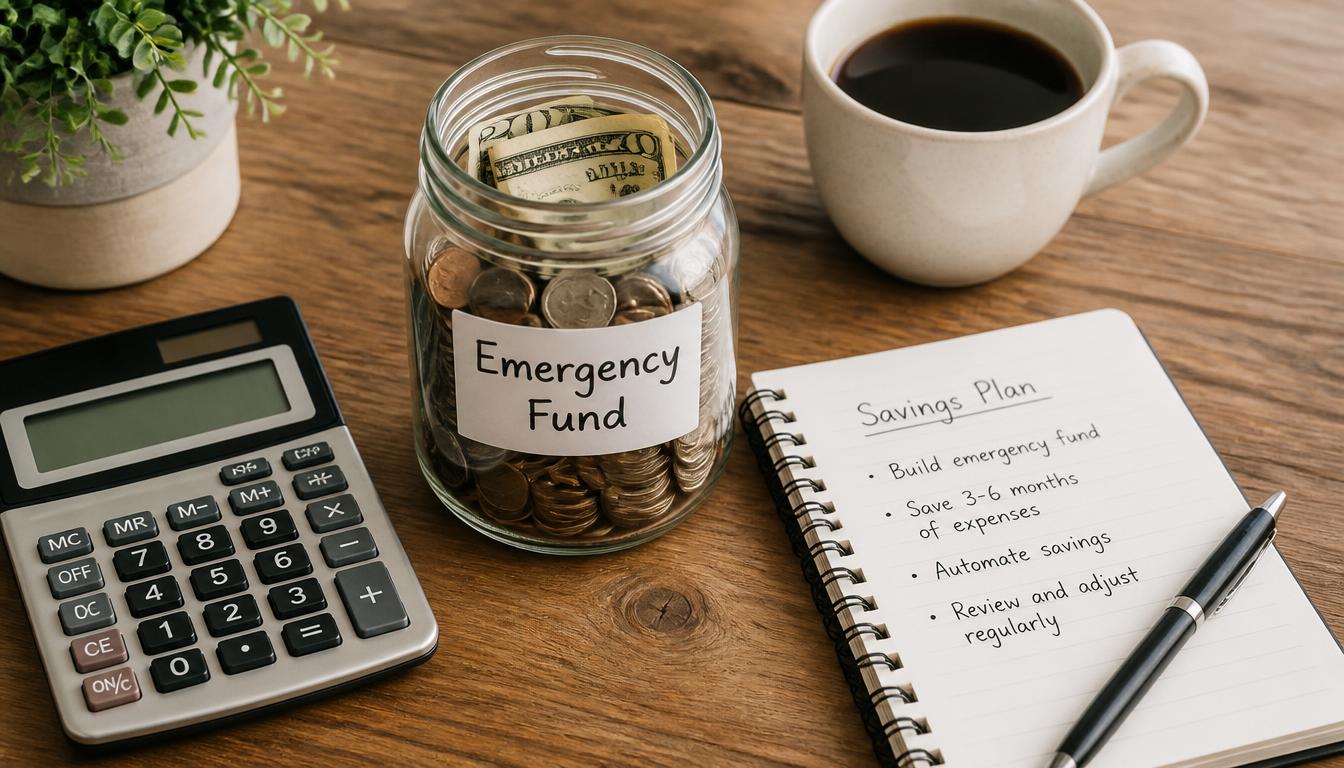
Define concrete financial targets that resonate with you personally. Perhaps you want to build a six-month emergency fund, save for a dream vacation, invest in a rental property, or contribute to a retirement account. Write these goals down and attach specific numbers and timelines to them. Then, reframe impulse purchases through the lens of those goals. If you are saving for a weekend trip that costs five hundred dollars, a fifty-dollar impulse buy is not just a minor splurge; it represents ten percent of your entire trip fund. This mental reframing transforms the act of saying no from a feeling of deprivation into an act of progress toward something you genuinely value. Over time, the satisfaction of watching your savings grow toward a meaningful goal far outweighs the fleeting thrill of an unplanned purchase.
Build Self-Awareness Through Spending Tracking
Many people overspend impulsively simply because they lack awareness of the pattern. Without tracking, it is easy to underestimate how frequently small, unplanned purchases occur and how much they accumulate. Keeping a spending journal or using a budgeting app can illuminate these blind spots with striking clarity.
Each time you make an impulse purchase, record not only the amount and the item but also the emotional context. Were you feeling anxious after a difficult meeting? Bored on a Sunday afternoon? Celebrating a small win? Over weeks and months, patterns will emerge. You might discover that your most vulnerable spending hours fall between nine and eleven at night, or that stress from a particular recurring situation consistently triggers online shopping. Armed with this self-knowledge, you can design targeted countermeasures. If late-night browsing is your weakness, set a phone curfew. If stress drives spending, replace the shopping habit with a walk, a phone call to a friend, or a brief meditation session. Awareness transforms vague intentions into precise, actionable strategies.

Conclusion
Impulse spending is not a character flaw; it is a predictable response to emotional states, environmental cues, and marketing systems engineered to bypass your rational mind. The strategies outlined here work because they address the root causes rather than simply demanding willpower. The 24-hour rule creates space between stimulus and action. Wish lists redirect urgency into reflection. A digital detox removes the constant barrage of triggers. Cash-only spending reintroduces the physical sensation of parting with money. Clear financial goals replace aimless spending with purposeful saving. And consistent tracking builds the self-awareness needed to anticipate and neutralize your personal triggers.
You do not need to adopt every strategy at once. Start with one or two that feel most relevant to your situation and build from there. Each time you resist an impulse purchase, you are not denying yourself pleasure; you are investing in your future security, freedom, and peace of mind. The money you save from saying no to fleeting desires compounds over time, funding the life you actually want to live. Take back control, one deliberate decision at a time.
Frequently Asked Questions
1. What is the 24-hour rule and how does it help stop impulse spending?
The 24-hour rule is a simple strategy where you wait a full day before purchasing any non-essential item you feel drawn to. This pause allows the initial emotional surge of desire to fade, giving your rational mind time to evaluate whether the purchase is truly necessary or simply a momentary craving. For larger purchases, extending the wait to 30 days provides even greater clarity. Most people find that the urge to buy disappears entirely within the waiting period, saving them money without any sense of deprivation.
2. Why do I feel the urge to buy things I do not need?
Impulse buying is driven by a combination of emotional triggers and neurochemical responses. When you experience stress, boredom, loneliness, or even excitement, your brain seeks a quick dopamine release, and purchasing something new delivers exactly that. Additionally, marketers use psychological tactics such as scarcity messaging, social proof, and personalized advertising to amplify these urges. Understanding that the impulse is a natural brain response rather than a genuine need is the first step toward gaining control over it.
3. Can a digital detox really reduce impulse purchases?
Yes. A significant portion of impulse spending is triggered by constant exposure to digital marketing, including promotional emails, social media advertisements, app notifications, and influencer content. By unsubscribing from retail emails, turning off shopping notifications, unfollowing product-heavy accounts, and even blocking shopping websites during vulnerable hours, you dramatically reduce the number of triggers you encounter daily. Fewer triggers mean fewer moments of temptation, which directly translates into fewer impulse purchases and more intentional spending decisions.
4. How does using cash instead of cards help control spending?
Paying with physical cash creates a tangible, sensory experience of money leaving your possession, which activates a psychological response known as the pain of paying. Credit and debit card transactions feel abstract and effortless, making it easy to lose track of how much you are spending. By withdrawing a fixed amount of cash for discretionary categories each week or month, you establish a hard spending limit that is visible and physical. Once the cash is gone, spending stops, creating a natural and effective boundary against overspending.
5. How can I stay motivated to avoid impulse spending over the long term?
Long-term motivation comes from connecting your daily spending decisions to meaningful financial goals. Define specific targets such as building an emergency fund, saving for travel, paying off debt, or investing for retirement, and attach clear numbers and deadlines to each goal. When you feel tempted by an impulse purchase, reframe the cost in terms of its impact on your goal. Tracking your progress regularly through a journal or budgeting app reinforces the positive feedback loop, as watching your savings grow provides a deeper and more lasting satisfaction than any impulse purchase ever could.