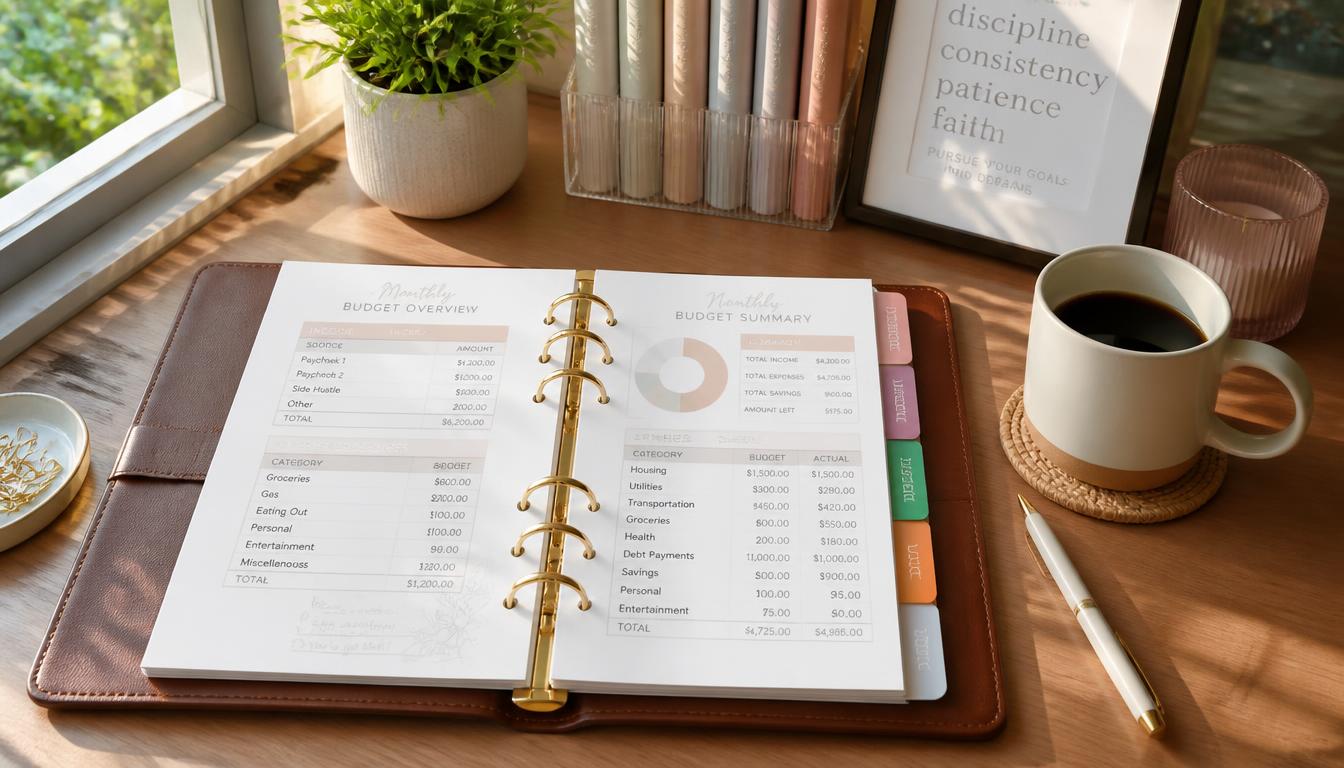
Financial stress is a silent burden that affects millions of people. It often stems not from a lack of income, but from a lack of clarity. When your financial life is scattered across dozens of apps, hidden in cluttered email inboxes, and buried under piles of physical mail, it becomes nearly impossible to see the big picture. This disorganization leads to missed payments, forgotten subscriptions, and a lingering anxiety about your financial future.
The solution does not necessarily require expensive software or complex spreadsheets. Sometimes, the most powerful tool for achieving financial clarity is remarkably simple: a personal finance binder.
As a financial advisor, I have seen countless clients transform their financial lives simply by centralizing their money management. A personal finance binder serves as a physical command center for your wealth. It consolidates your accounts, tracks your bills, secures your vital documents, and maps out your financial goals. In this comprehensive guide, we will walk you through exactly how to build, organize, and maintain a personal finance binder that brings order to the chaos and sets you on a path to long-term financial stability.
The Psychology and Power of a Physical Finance Binder
In an increasingly digital world, you might wonder why a physical paper binder is still relevant. The answer lies in cognitive psychology and financial mindfulness. While digital apps are excellent for automated tracking, they often encourage passive consumption of financial data. You glance at an app, see a number, and close it.
A physical binder requires active engagement. When you sit down to manually update your budget, write down your net worth, or check off a paid bill, you are practicing financial mindfulness. This tactile process forces your brain to acknowledge your financial reality, building a stronger connection between your daily spending habits and your long-term wealth-building goals.
Furthermore, a binder eliminates the “out of sight, out of mind” trap. When your financial life is confined to a screen, it is easy to ignore. When it is sitting on your desk, it acts as a visual anchor. It provides an immediate sense of control. Knowing exactly where your insurance policy is, or having a clear visual of your debt payoff progress, drastically reduces anxiety. It transforms your finances from a source of stress into a manageable, structured system.
Gathering Your Supplies: Choosing the Right Materials
Building a robust financial command center starts with selecting the right physical materials. You want a system that is durable, flexible, and easy to navigate.
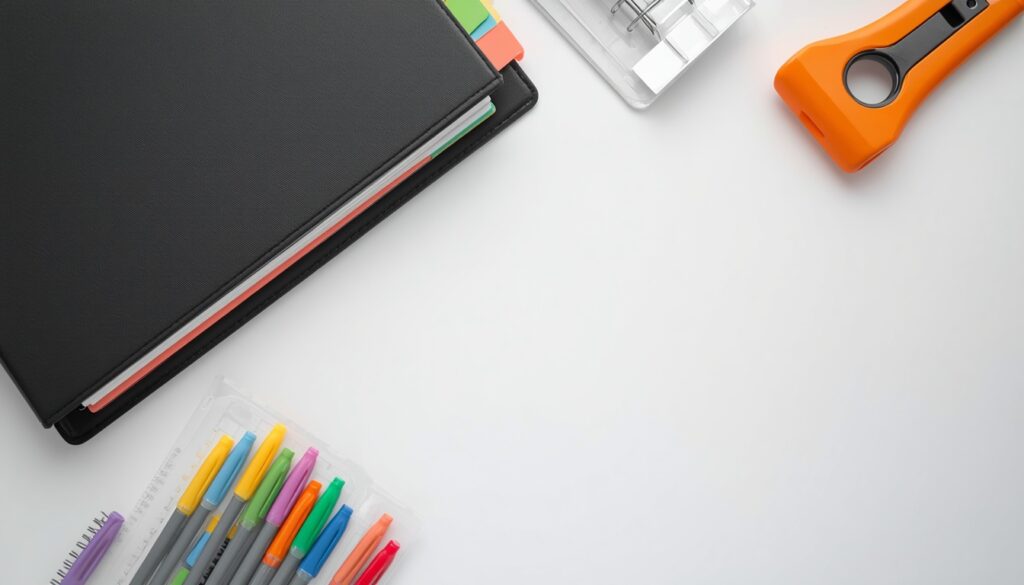
The Binder: Invest in a high-quality, heavy-duty three-ring binder (usually 2-inch or 3-inch). A sturdy binder will withstand frequent handling and hold dozens of pages without the rings bending or the cover tearing.
Dividers: Purchase a set of tabbed dividers with multiple pockets. The pockets are crucial for holding loose receipts, cash, or extra worksheets. Color-coded tabs will allow you to create distinct sections for quick navigation.
Sheet Protectors: Clear plastic sheet protectors are non-negotiable. You will use these to protect vital, original documents like insurance policies, wills, and loan agreements from spills, tears, and general wear.
Worksheets and Paper: Keep a stack of blank paper, graph paper, and pre-printed financial worksheets (you can design these yourself or find free templates online). A three-hole punch is also essential for adding custom pages to your binder.
Writing Instruments: Keep a dedicated pen or a set of color-coded pens inside the front pocket of the binder. Using different colors for income, expenses, and savings can make your visual tracking much more effective.
Step 1: Organizing Your Financial Accounts
The first major section of your binder should be dedicated to your financial accounts. This is your financial snapshot. The goal here is to create a master directory of everything you own and everything you owe.
Creating a Master Account Sheet: Create a comprehensive list of all your financial institutions. For each account (checking, savings, investment, retirement, credit cards, loans), record the institution name, account type, the last four digits of the account number, and the customer service phone number. Avoid writing full account numbers or passwords in the binder for security reasons; instead, keep a secure, encrypted digital password manager for sensitive login credentials.
Tracking Net Worth: This section is the perfect place to include a monthly net worth tracker. List your assets (cash, investments, property value) and your liabilities (mortgage, student loans, credit card debt). Subtracting your liabilities from your assets gives you your net worth. Tracking this number month over month in your binder provides a powerful, long-term view of your wealth accumulation.
Storing Statements: While you should transition to paperless statements to reduce clutter, print out your most recent monthly statements for your primary accounts and file them in this section. Keep only the last two or three months. This provides a quick, physical reference for recent transactions without turning your binder into an unmanageable archive.
Step 2: Mastering Cash Flow and Tracking Bills
Cash flow is the lifeblood of your personal finances. If you do not know exactly when money is leaving your accounts, you cannot effectively save or invest. The bills and expenses section of your binder ensures you never miss a payment, thereby protecting your credit score and avoiding late fees.
The Monthly Bill Calendar: Create or print a 12-month calendar view. List every recurring bill—rent, mortgage, utilities, insurance, subscriptions, and minimum debt payments—on their respective due dates. When you pay a bill, physically check it off. This visual confirmation provides a deep sense of accomplishment and ensures nothing slips through the cracks.
The Subscription Audit: We live in an era of subscription fatigue. Dedicate a specific page in this section to list all your recurring subscriptions, their monthly costs, and their annual costs. Reviewing this page quarterly often reveals “vampire expenses” (like forgotten streaming services or gym memberships) that you can cancel, instantly freeing up cash for investing.
Debt Payoff Trackers: If you are actively paying down debt, this section is vital. Include a visual debt payoff tracker. Whether you use the Debt Snowball method (paying off smallest balances first for psychological wins) or the Debt Avalanche method (paying off highest interest rates first for mathematical efficiency), color in a thermometer or a grid as you pay down each balance. Visualizing your debt disappearing is one of the most effective ways to stay motivated during a long payoff journey.

Step 3: Securing Your Financial Foundation with Important Documents
Beyond daily tracking, your binder must serve as a secure repository for your most critical financial documents. In the event of an emergency, a medical issue, or simply the need to apply for a mortgage, having these documents organized will save you hours of frustration.
Insurance Policies: Keep physical copies or detailed summary sheets of your health, auto, homeowners, renters, and life insurance policies. Include the policy numbers, coverage limits, deductibles, and the claims phone number. Store the actual full policies in clear plastic sheet protectors.
Loan Agreements: File the original or copies of your mortgage note, auto loans, and student loan promissory notes. Knowing the exact terms, interest rates, and payoff dates of your debt is crucial for strategic financial planning.
Legal Documents: If you have a will, a living trust, or a power of attorney, keep copies in the binder. (The original will should be kept in a fireproof safe or with your attorney). Include a “In Case of Emergency” (ICE) contact sheet with the names and phone numbers of your spouse, financial advisor, attorney, and key family members.
Tax Returns: You do not need to keep every single tax document in your daily binder, but keeping a folder or a section for the current year’s tax documents (W-2s, 1099s, donation receipts) is highly recommended. At the end of the year, file the final tax return summary in the binder and store the rest in a secure, long-term filing cabinet.
Step 4: Turning Data into Action with Financial Goals
A personal finance binder is not just a rearview mirror; it is a windshield. It should actively drive you toward your financial future. Dedicate a vibrant, highly visible section of your binder to your financial goals.
Short-Term and Long-Term Goals: Break your goals down. Short-term goals might include building a $1,000 starter emergency fund, saving for a vacation, or buying a new laptop. Long-term goals include funding a child’s college education, paying off a mortgage, or reaching a specific net worth milestone. Write these goals down clearly.
Savings Challenges and Trackers: Visual trackers are incredibly effective for saving money. Include printable savings challenges, such as a “No-Spend Month” tracker, a 52-week money challenge, or an emergency fund thermometer. Every time you transfer money into your savings, color in the corresponding block. This gamifies the saving process and makes putting money away feel rewarding rather than restrictive.
Investment and Retirement Planning: Use this section to track your investment contributions. If you are maximizing your 401(k) or IRA contributions for the year, create a tracker to monitor your progress toward the annual limit. Include a page outlining your target asset allocation (e.g., 80% stocks, 20% bonds) and review it annually to ensure your portfolio hasn’t drifted due to market movements.

Step 5: The Maintenance Routine and Security
A binder is only as good as its most recent update. A neglected binder quickly becomes a dusty relic. To make this system work, you must establish a maintenance routine.
The Weekly “Money Date”: Schedule a recurring 20-minute appointment with yourself every week. Sit down with your binder, a cup of coffee or tea, and review your finances. Check off paid bills, record new expenses, and update your account balances. By making it a pleasant, weekly ritual, you prevent the month-end overwhelm of trying to reconcile weeks of forgotten transactions.
The Monthly Review: At the end of each month, take 30 minutes to do a deeper dive. Review your net worth, check your progress toward your financial goals, swap out old bank statements for new ones, and adjust your budget for the upcoming month if necessary.
Security and Storage: While the binder contains vital information, it should not contain highly sensitive data like full Social Security numbers or passwords. Keep the binder in a secure but accessible location, like a locked drawer in your home office. If you are married or share finances, ensure your partner knows exactly where the binder is kept and how to use it. For ultimate security, keep a secondary, highly condensed “cheat sheet” of critical account numbers and passwords in a fireproof safe or a secure digital vault.
Common Mistakes to Avoid When Using a Finance Binder
To ensure your binder remains an effective tool, avoid these common pitfalls:
- Overcomplicating the System: Do not try to track every single penny to the exact cent if it causes you to abandon the system. Focus on the big picture and major categories. Perfection is the enemy of consistency.
- Hoarding Paper: The binder is a working document, not an archive. Shred or digitally archive old receipts and statements once they have served their purpose. If your binder becomes too thick, it will be intimidating to use.
- Ignoring the Digital Side: A physical binder is fantastic for mindfulness and organization, but it does not replace the need for digital security. Ensure your digital accounts have strong, unique passwords and two-factor authentication. The binder manages the strategy; digital tools manage the execution.
Conclusion
Taking control of your financial life does not require a degree in economics or expensive financial software. It requires clarity, consistency, and a system that works for your brain. A personal finance binder provides exactly that. By centralizing your accounts, tracking your bills, securing your vital documents, and visually mapping out your goals, you transform your finances from a source of anxiety into a structured, manageable plan.
The initial setup may take a few hours of your time, but the return on that investment is immeasurable. You will save time, avoid late fees, eliminate financial blind spots, and build the mindfulness required to grow your wealth. Open that binder, pick up a pen, and take the first step toward a more organized, secure, and prosperous financial future. Your future self will thank you for the clarity and peace of mind you create today.
Frequently Asked Questions (FAQ)
1. Do I really need a physical binder, or can I just use a digital spreadsheet?
While digital spreadsheets and apps are excellent for automated calculations and on-the-go tracking, a physical binder offers unique psychological benefits. The tactile act of writing things down improves memory retention and forces mindful engagement with your money. Many financially successful people use a hybrid approach: digital tools for automation and a physical binder for high-level strategy, goal tracking, and document organization.
2. How often should I update my personal finance binder?
For optimal results, you should do a quick 15-to-20-minute update once a week to track daily spending and check off bills. Additionally, schedule a more comprehensive 30-to-60-minute review at the end of every month to update your net worth, swap out old bank statements, and assess your progress toward your financial goals.
3. Is it safe to keep account information in a physical binder?
It is safe as long as you practice good security hygiene. Never write down full account numbers, PINs, or passwords in your binder. Instead, record only the institution name, account type, and the last four digits of the account number. Keep the binder in a secure, locked location in your home, and use a dedicated, encrypted digital password manager for your actual login credentials.
4. What should I do if my binder gets too thick and overwhelming?
A binder should be a working tool, not a historical archive. If it becomes too thick, purge it. Shred old bank statements (keep only the last two months), file away old tax documents in a separate cabinet, and remove completed savings trackers. Keep the binder lean, focusing only on current accounts, active goals, and vital documents.
5. How can I get my spouse or partner on board with using a finance binder?
Lead by example and make the process collaborative. Set up a joint “Money Date” once a month where you both sit down with the binder, review the household budget, and celebrate financial wins together. Ensure the binder includes a section for joint goals (like a vacation or home renovation) so your partner sees the binder as a tool for achieving shared dreams, rather than just a strict budgeting chore.